
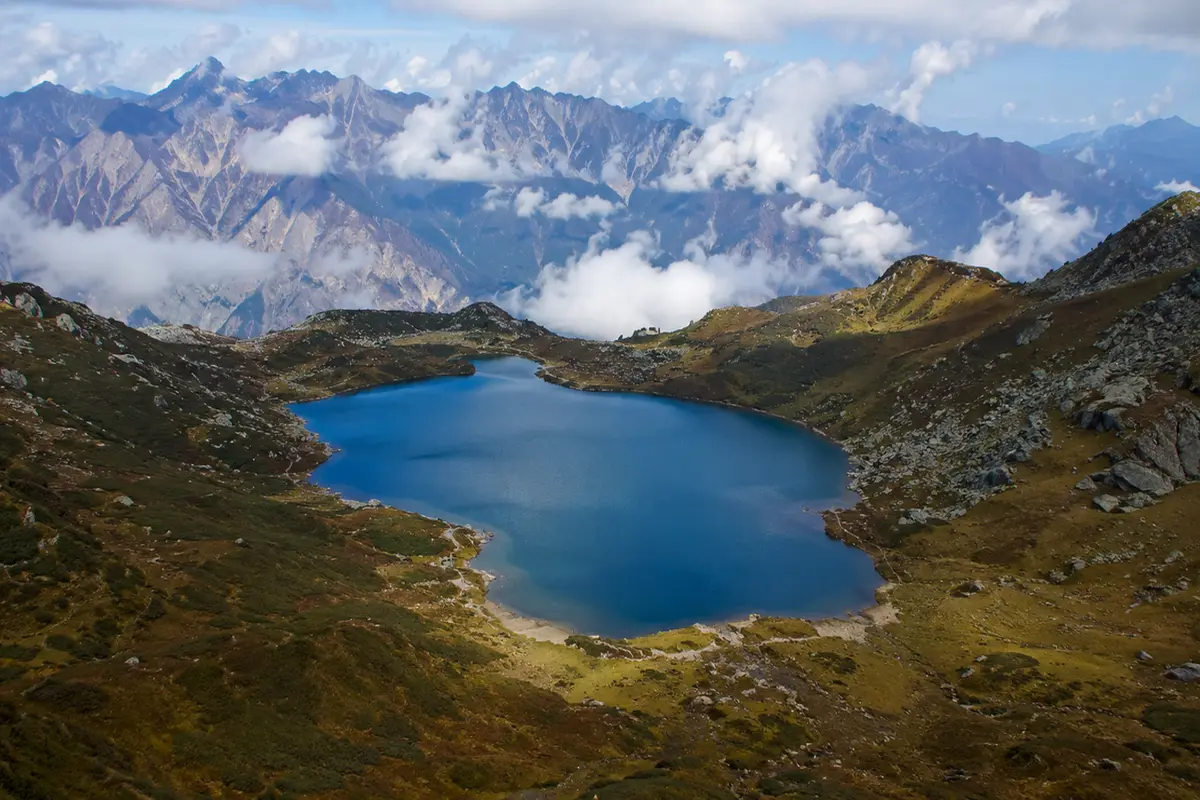
Nestled in the pristine Himalayan landscape of East Sikkim, Kupup Lake is one of the most breathtaking high-altitude lakes in India. Located along the historic Silk Route, this hidden gem is famous for its crystal-clear waters, spectacular mountain views, and peaceful surroundings. The lake is popularly known as Elephant Lake because its unique shape resembles an elephant when viewed from above.
Situated at an altitude of approximately 13,066 feet (3,982 meters), Kupup Lake offers visitors a chance to experience the untouched beauty of the Eastern Himalayas. Surrounded by snow-capped peaks, alpine vegetation, and winding mountain roads, it is one of the highlights of the Silk Route and a popular stop for travelers exploring East Sikkim.
Whether you are a nature lover, photographer, adventure enthusiast, or simply looking for a peaceful escape, Kupup Lake promises an unforgettable Himalayan travel experience.
Kupup Lake is one of the most scenic attractions along the historic Silk Route in East Sikkim and is included in most Silk Route Tour Package from Kolkata itineraries. Before planning your trip, you can also check our guides on Best Time to Visit Silk Route, Top 10 Places to Visit in Silk Route, and Entry Permit for Silk Route to plan a smooth and memorable journey.
Travel Overview
Before planning your trip to Kupup Lake, it is helpful to know some essential travel information. This quick overview covers the lake’s location, altitude, best time to visit, nearest transport hubs, permit requirements, and other important details to help you plan a smooth and memorable journey.
Quick Information About Kupup Lake
Kupup Lake is one of the most beautiful high-altitude lakes in East Sikkim and a major attraction along the historic Silk Route. Located near the Indo-China border at an elevation of over 13,000 feet, the lake is famous for its elephant-shaped appearance, crystal-clear waters, and spectacular Himalayan views. Before visiting, it is useful to know the lake’s location, altitude, permit requirements, nearest railway station and airport, and the best season to visit for a comfortable travel experience. You can also read our Best Time to Visit Silk Route, Entry Permit for Silk Route, and Top 10 Places to Visit in Silk Route guides to plan your journey better.
Location
Kupup Lake is located in Kupup Village in East Sikkim, close to the Indo-China border. Nestled along the historic Silk Route, the lake is surrounded by magnificent Himalayan landscapes, making it one of the most visited sightseeing destinations in the region. If you’re planning a complete trip, check out our Silk Route Tour Package from Kolkata.
Altitude
Kupup Lake is situated at an altitude of approximately 13,066 feet (3,982 meters) above sea level. Its high elevation offers breathtaking mountain views and pleasant weather for most of the year. Since oxygen levels are lower at this altitude, visitors are advised to acclimatize properly before exploring the area. Staying at nearby accommodations listed in our Silk Route Hotels and Homestays Guide can make your journey more comfortable.
Best Time to Visit
The best time to visit Kupup Lake is from March to June and October to December, when the weather remains pleasant and the Himalayan views are usually at their best. These seasons offer comfortable sightseeing conditions and excellent photography opportunities. For a detailed seasonal guide, read Best Time to Visit Silk Route and Nathang Valley Weather in 2026.
Popular Name
Kupup Lake is widely known as Elephant Lake because its natural shape resembles an elephant when viewed from higher elevations. This unique geographical feature, combined with its crystal-clear water and surrounding Himalayan peaks, has made it one of the most photographed attractions along the Silk Route in East Sikkim. Nearby attractions like Old Baba Mandir and Thambi View Point are also worth including in your itinerary.
Nearest Railway Station
The nearest major railway station to Kupup Lake is New Jalpaiguri (NJP) in West Bengal. NJP is the main rail gateway for travelers visiting East Sikkim and the Silk Route, with regular train services from Kolkata, Delhi, Guwahati, and several other cities. From NJP, visitors can hire a private vehicle or travel with a tour package to reach Kupup Lake. You can also read How to Reach Silk Route from Kolkata for detailed travel information.
Nearest Airport
The nearest airports for visiting Kupup Lake are Bagdogra Airport and Pakyong Airport. Bagdogra is the preferred choice for most travelers due to its excellent connectivity with major Indian cities, while Pakyong offers a shorter road journey when flights are available. From either airport, visitors continue by road through the scenic Himalayan routes of East Sikkim.
Permit Required
Yes, a permit is required to visit Kupup Lake as it is located in a protected border region of East Sikkim. Indian tourists generally need a Protected Area Permit (PAP), which is usually arranged by registered tour operators, hotels, or local travel agencies. Visitors should carry a valid government-issued photo ID, while foreign nationals should check the latest travel regulations before planning their trip. Before traveling, make sure to read our Entry Permit for Silk Route – Complete Guide 2026 for the latest permit process.
Why Visit Kupup Lake?
Kupup Lake is one of the most breathtaking high-altitude attractions in East Sikkim and a highlight of the historic Silk Route. Surrounded by snow-capped Himalayan peaks, pristine valleys, and untouched natural beauty, the lake offers a memorable experience for nature lovers, photographers, road trip enthusiasts, and adventure seekers. Its unique elephant-shaped appearance, crystal-clear waters, and peaceful atmosphere make it a must-visit destination for anyone exploring the region.
The lake is also conveniently located near popular attractions such as Old Baba Mandir, Thambi View Point, and Lungthung, making it easy to include in a well-planned Silk Route itinerary. If you’re planning a complete trip, check out our Silk Route Itinerary for 3 Nights 4 Days or book the Silk Route Tour Package from Kolkata for a hassle-free travel experience.

Stunning Himalayan Views
One of the biggest reasons to visit Kupup Lake is its breathtaking Himalayan scenery. Surrounded by rugged mountain ranges, rolling hills, and vast open landscapes, the lake offers some of the most spectacular views along the historic Silk Route. On clear days, visitors can admire panoramic vistas of snow-capped Himalayan peaks stretching across the horizon. The landscape transforms with every season, from lush greenery in spring to snow-covered mountains in winter, making each visit unique. If you’re planning your trip according to the weather, don’t miss our Best Time to Visit Silk Route and Nathang Valley Weather in 2026 guides for seasonal travel tips.
The Famous Elephant-Shaped Lake
Kupup Lake is popularly known as Elephant Lake because its natural outline resembles an elephant when viewed from higher elevations. This rare geographical formation makes it one of the most fascinating natural attractions in East Sikkim. Beyond its distinctive shape, the lake is admired for its crystal-clear waters, peaceful surroundings, and stunning reflections of the surrounding mountains and clouds. Its unique beauty has made it a favorite destination for photographers and nature lovers exploring the Top 10 Places to Visit in Silk Route.
A Peaceful and Less Crowded Destination
Unlike many popular tourist destinations that become crowded during peak travel seasons, Kupup Lake offers a quiet and relaxing escape in the Himalayas. The area remains largely untouched, allowing visitors to enjoy pristine nature without commercial distractions. You can spend time beside the lake, soak in the fresh mountain air, and admire the tranquil surroundings at your own pace. This peaceful atmosphere makes Kupup Lake an ideal destination for travelers seeking relaxation, nature, and an authentic Himalayan experience. For an even more comfortable stay, explore our Silk Route Hotels and Homestays Guide.
A Paradise for Photography Lovers
Kupup Lake is a dream destination for photography enthusiasts. The stunning combination of snow-capped mountains, alpine landscapes, crystal-clear lake waters, and dramatic Himalayan skies creates endless opportunities for capturing unforgettable moments. Every season presents a different perspective, from vibrant greenery in summer to breathtaking snow-covered scenery during winter. Sunrise and sunset are especially magical, with changing light casting beautiful reflections across the lake. If you want to witness the region at its most photogenic, read our Silk Route Snowfall Guide 2026 and Zuluk Weather in 2026 before planning your journey. Whether you’re using a DSLR or a smartphone, Kupup Lake promises some of the most Instagram-worthy views along the Silk Route Tour Package from Kolkata route.
History and Significance of Kupup Lake
Kupup Lake is celebrated not only for its breathtaking Himalayan beauty but also for its deep historical and strategic importance. Nestled in the high-altitude landscapes of East Sikkim, the lake lies along the legendary Silk Route—an ancient trade corridor that once connected India with Tibet. For centuries, merchants, pilgrims, and travelers crossed these rugged mountain passes, exchanging goods, culture, and traditions, making Kupup an important stop on this historic route.
Today, Kupup Lake remains one of the most iconic attractions on the Silk Route, attracting nature lovers, photographers, and history enthusiasts alike. Its stunning mountain scenery, combined with its fascinating past, offers visitors a unique glimpse into the region’s rich heritage. Travelers exploring East Sikkim often include Kupup Lake in their itinerary along with other nearby attractions featured in Top 10 Places to Visit in Silk Route and plan their journey using the Silk Route Itinerary for 3 Nights 4 Days.

Historical Importance Along the Ancient Silk Route
Kupup once served as a key halt along the ancient Silk Route, the historic trade network linking India with Tibet, China, and other parts of Asia. Traders navigated these challenging Himalayan passes carrying valuable commodities such as silk, wool, salt, and spices. Thanks to its strategic location, Kupup became an important resting point where merchants paused before continuing their journey across the mountains. Over time, the route also encouraged the exchange of cultures, traditions, and ideas, shaping the history of the region.
Although commercial trade along this route has long ceased, the legacy of the Silk Route continues to captivate travelers from around the world. Today, visitors can explore this historic landscape while enjoying spectacular mountain views and experiencing one of East Sikkim’s most significant heritage destinations.
Strategic Importance Near the Indo-China Border
Kupup holds immense strategic significance due to its location near the Indo-China border. The region is situated close to the historic Jelep La Pass, which was once one of the most important trade gateways between India and Tibet. Because of its sensitive border location, Kupup is protected by the Indian Army throughout the year, making it an area of both historical and national importance.
While travelling through Kupup, visitors will encounter army camps, security checkpoints, and military vehicles along the route. Their presence helps safeguard this remote Himalayan frontier and ensures safe travel for tourists visiting the region. Since Kupup falls within a protected border zone, obtaining the necessary permits is mandatory. Before planning your trip, be sure to read our Entry Permit for Silk Route – Complete Guide 2026 to understand the latest permit requirements and travel regulations.
Where is Kupup Lake Located?
Kupup Lake is located in the picturesque village of Kupup in East Sikkim, India, at an altitude of approximately 13,066 feet (3,982 meters) above sea level. Nestled along the historic Silk Route, the lake lies close to the Indo-China border and is surrounded by rugged Himalayan peaks, alpine meadows, and breathtaking high-altitude landscapes.
Situated between Nathang Valley and the historic Jelep La Pass, Kupup Lake is one of the most scenic destinations on the Silk Route circuit. Its spectacular setting attracts nature lovers, photographers, birdwatchers, and adventure seekers looking to experience the untouched beauty of the Eastern Himalayas.
Location of Kupup Lake in East Sikkim
Kupup Lake is nestled in the serene Kupup Valley of East Sikkim, a remote Himalayan region known for its dramatic mountain scenery, rich history, and strategic importance. Located within Sikkim’s protected border area, the lake offers stunning views of snow-capped peaks, rolling valleys, alpine grasslands, and pristine landscapes. Far from the hustle and bustle of city life, this peaceful destination provides visitors with an authentic high-altitude Himalayan experience.
Its location along the legendary Silk Route also makes Kupup Lake an important stop for travelers exploring East Sikkim’s historical landmarks and scenic viewpoints.
Nearby Attractions Around Kupup Lake
One of the biggest highlights of visiting Kupup Lake is its proximity to several iconic attractions along the Silk Route. Travelers can easily combine their visit with Nathang Valley Weather in 2026, Old Baba Mandir Travel Guide 2026, Lungthung Travel Guide 2026, and Thambi View Point Travel Guide 2026. Other nearby highlights include the historic Jelep La Pass (subject to permit regulations) and the famous Yak Golf Course, one of the highest golf courses in the world.
Exploring these attractions together offers a complete Silk Route experience, featuring spectacular mountain views, historic landmarks, winding Himalayan roads, and unforgettable sightseeing opportunities.
Distance from Major Destinations
Kupup Lake is conveniently located near several popular destinations on the Silk Route, making it easy to include in almost every East Sikkim itinerary. Whether you’re travelling from Zuluk, Nathang Valley, Gangtok, or Rongli, the lake can be comfortably visited as part of a day-long sightseeing circuit.
| Destination | Distance |
| Zuluk | Approx. 20 km |
| Nathang Valley | Approx. 18 km |
| Gangtok | Approx. 60 km |
| Rongli | Approx. 45 km |
Thanks to its central location, Kupup Lake serves as one of the most rewarding sightseeing stops on the historic Silk Route. Its easy access from major destinations such as Zuluk, Nathang Valley, and Rongli allows travelers to explore several breathtaking attractions in a single journey. If you’re planning a complete East Sikkim adventure, our Silk Route Tour Package from Kolkata offers a well-designed itinerary that includes Kupup Lake along with the region’s most spectacular destinations, ensuring an unforgettable Himalayan travel experience.
How to Reach Kupup Lake
Reaching Kupup Lake is an unforgettable journey through the spectacular landscapes of East Sikkim. Located in a remote high-altitude region, the lake is accessible via scenic mountain roads that wind through charming Himalayan villages, dense forests, dramatic hairpin bends, and breathtaking viewpoints. Most travelers visit Kupup Lake as part of the famous Silk Route circuit, travelling either from Gangtok or Rongli. If you’re planning your trip independently, our How to Reach Silk Route from Kolkata – Complete Travel Guide provides detailed information on transportation options, routes, permits, and essential travel tips.
By Train
For travelers coming from Kolkata and other parts of India, the nearest major railway station is New Jalpaiguri (NJP) in West Bengal. NJP is well connected to major cities, including Kolkata, Delhi, Guwahati, Patna, and other parts of the country through regular train services. Popular trains from Kolkata include the Darjeeling Mail, Padatik Express, and Kanchankanya Express.
From NJP, you can hire a private taxi or travel with a pre-booked Silk Route tour. The onward journey to Kupup Lake takes you through picturesque mountain roads, lush forests, charming villages, and stunning Himalayan landscapes, making the drive a memorable part of the overall experience.
By Air
The nearest airports to Kupup Lake are Bagdogra Airport (IXB) in West Bengal and Pakyong Airport (PYG) in Sikkim. Bagdogra Airport is the preferred option for most travelers due to its excellent connectivity with major Indian cities.
After arriving at the airport, visitors can hire a private taxi or join a pre-arranged tour to Gangtok or Rongli before continuing towards Kupup Lake via the scenic Silk Route. The drive offers breathtaking views of mountains, valleys, and some of East Sikkim’s most beautiful landscapes.
By Road
Travelling by road is the most popular and convenient way to reach Kupup Lake. Private vehicles can be hired from Gangtok, Rongli, or other nearby Silk Route destinations. The route passes through picturesque villages, alpine forests, winding mountain roads, and several panoramic viewpoints, making the journey just as rewarding as the destination.
Road conditions are generally good but may vary depending on weather and seasonal conditions, especially during the monsoon and winter months. Travelers looking for a hassle-free experience often choose the Silk Route Tour Package from Kolkata, which includes comfortable transportation, accommodation, permits, and sightseeing.
Route to Kupup Lake via the Silk Route
The historic Silk Route offers the most scenic and popular way to reach Kupup Lake. This legendary Himalayan route passes through beautiful mountain villages, thrilling zigzag roads, and spectacular viewpoints before arriving at the lake.
Popular Route:
Gangtok → Rongli → Lingtam → Padamchen → Zuluk → Thambi View Point → Nathang Valley → Kupup Lake
This iconic drive is renowned for its dramatic hairpin bends, breathtaking Himalayan vistas, lush valleys, and high-altitude landscapes. Along the way, travelers can explore several of East Sikkim’s most famous attractions, including Padamchen Travel Guide 2026, Thambi View Point Travel Guide 2026, and Nathang Valley Weather in 2026, making the journey an unforgettable part of the Silk Route experience.
If you’re visiting the region for the first time, our How to Reach Silk Route from Kolkata – Complete Travel Guide explains the best travel routes, transportation options, permits, and planning tips to help you enjoy a smooth and memorable trip.
Road Conditions and Travel Experience
The journey to Kupup Lake is one of the most memorable parts of exploring the Silk Route. The scenic drive takes you through winding mountain roads, picturesque Himalayan villages, lush valleys, and breathtaking viewpoints, offering spectacular views at every turn. While road conditions are generally good for most of the year, they can vary depending on the season, especially during the monsoon and winter months. Planning your trip according to the weather helps ensure a safer and more enjoyable travel experience.
Summer Season
Summer (March to June) is widely regarded as one of the best times to visit Kupup Lake by road. The roads are usually in good condition, the weather is pleasant, and visibility remains excellent, allowing travelers to enjoy uninterrupted views of the Eastern Himalayas. The surrounding mountains and alpine meadows are covered in lush greenery, making this season ideal for sightseeing, photography, and leisurely road trips. For a complete seasonal guide, you can also read Best Time to Visit Silk Route: Complete Season Guide 2026.
Monsoon Season
During the monsoon season (July to September), heavy rainfall can occasionally affect road conditions in parts of the Silk Route. Dense fog, landslides, and reduced visibility may lead to temporary delays, particularly on steep mountain stretches. Travelers are advised to check the latest weather forecast before departure, start their journey early in the day, and keep extra travel time in their itinerary to account for changing road conditions.
Winter Season
Winter (October to February) transforms Kupup Lake into a breathtaking snow-covered destination, creating one of the most scenic landscapes in East Sikkim. However, snowfall and icy roads—especially around Nathang Valley and other high-altitude sections—can make driving more challenging. Experienced local drivers and well-maintained vehicles are highly recommended during this season. Despite the cold weather, winter remains a favorite time for visitors hoping to experience the magical snow-covered Silk Route. For the latest snowfall updates, travel tips, and winter road conditions, be sure to check our Silk Route Snowfall Guide 2026 before planning your trip.
Best Time to Visit Kupup Lake
Kupup Lake is a stunning year-round destination, with each season offering a unique perspective of the Eastern Himalayas. Whether you’re looking for crystal-clear mountain views, vibrant green valleys, colourful alpine landscapes, or snow-covered scenery, the ideal time to visit depends on the experience you want. Understanding the seasonal weather, road conditions, and visibility will help you plan a safe, comfortable, and memorable trip.
For a detailed month-by-month guide covering weather, road conditions, and the ideal travel season, read our Best Time to Visit Silk Route: Complete Season Guide 2026.

Visiting Kupup Lake in Spring (March to May)
Spring is considered one of the best times to visit Kupup Lake. As the snow begins to melt, the surrounding hills come alive with fresh greenery and blooming alpine flowers, creating a vibrant Himalayan landscape. The weather remains pleasant, with clear skies and comfortable daytime temperatures, making it an excellent season for sightseeing, photography, and enjoying panoramic mountain views.
Visiting Kupup Lake in Summer (June)
Summer offers cool and refreshing weather, providing a welcome escape from the intense heat experienced in many parts of India. The valleys surrounding Kupup Lake remain lush and picturesque, making this season particularly attractive for nature lovers and photographers. While light showers may occur towards the end of June, road conditions are generally favorable, allowing travelers to comfortably explore the Silk Route and its nearby attractions.
Visiting Kupup Lake in Autumn (October to November)
Autumn is widely regarded as the finest season to visit Kupup Lake. The skies are exceptionally clear, offering spectacular visibility of the snow-capped Himalayan peaks and surrounding valleys. Pleasant weather, dry roads, and crisp mountain air create ideal conditions for road trips, sightseeing, and landscape photography. It is also one of the most popular seasons for exploring the scenic beauty of East Sikkim.
Visiting Kupup Lake in Winter (December to February)
Winter transforms Kupup Lake into a breathtaking snow-covered paradise, making it the perfect season for travelers hoping to experience snowfall in East Sikkim. The frozen landscapes, snow-clad mountains, and peaceful surroundings create a magical Himalayan atmosphere unlike any other time of the year. Since temperatures frequently fall below freezing, carrying adequate winter clothing and travelling in suitable vehicles is highly recommended. Before planning a winter journey, check our Silk Route Snowfall Guide 2026 for the latest snowfall updates, winter travel tips, and the best time to witness snow along the Silk Route.
Snowfall at Kupup Lake
Snowfall is one of the biggest reasons travelers visit Kupup Lake and the famous Silk Route during winter. Every year, this high-altitude Himalayan destination transforms into a breathtaking snow-covered paradise, attracting tourists, photographers, and adventure enthusiasts from across India. Blanketed in fresh snow, the mountains, valleys, grasslands, and winding roads create a picture-perfect landscape that offers an unforgettable winter experience.
Snowfall generally begins in late December and continues through January, although the timing and intensity vary each year depending on weather conditions. Since road conditions can change quickly during winter, travelers should always check the latest snowfall and travel updates before planning their trip.

Snow-covered landscapes around Kupup Lake during winter.
When Does It Snow in Kupup Lake?
Kupup Lake usually receives snowfall from late December through January and February. However, snowfall patterns are not fixed and may differ every year based on temperature and weather conditions. Higher-altitude areas around Kupup and Nathang Valley often experience snowfall earlier and receive heavier accumulation than lower elevations.
During peak winter, fresh snow covers the mountains, valleys, roads, and surrounding landscapes, turning the entire Silk Route into one of the most scenic winter destinations in East Sikkim.
Best Time to Experience Snowfall
January is generally considered the best month to experience snowfall at Kupup Lake. During this period, temperatures frequently remain below freezing, offering the highest chance of witnessing fresh snowfall and spectacular snow-covered Himalayan landscapes. Late December and February can also provide excellent opportunities to enjoy snow, although weather conditions vary from year to year.
For the latest snowfall updates, expected snow conditions, and winter travel advice, refer to our Silk Route Snowfall Guide 2026 before planning your visit.
Winter Travel Tips for Visitors
A winter trip to Kupup Lake requires proper preparation due to the region’s high altitude and freezing temperatures. Carry warm jackets, thermal clothing, gloves, woollen caps, thick socks, and waterproof footwear to stay comfortable throughout your journey. Snowfall and icy roads can make driving challenging, so travelling with experienced local drivers is strongly recommended.
Because of the high elevation, visitors should also stay well hydrated, carry essential medicines, avoid excessive physical exertion on arrival, and allow sufficient time for their bodies to acclimatize. With the right preparation and weather awareness, you can safely enjoy the magical snow-covered beauty of Kupup Lake and the surrounding Silk Route.
Things to Do at Kupup Lake
Kupup Lake is much more than just a scenic stop along the historic Silk Route. Surrounded by majestic Himalayan mountains, rolling valleys, and pristine high-altitude landscapes, it offers unforgettable experiences for nature lovers, photographers, birdwatchers, and road-trip enthusiasts. Whether you’re admiring the panoramic views, capturing stunning photographs, or simply enjoying the peaceful mountain atmosphere, Kupup Lake promises a memorable Himalayan getaway.
Enjoy the Scenic Beauty of Elephant Lake
One of the most rewarding experiences at Kupup Lake is taking in its spectacular natural beauty. Popularly known as Elephant Lake because of its distinctive elephant-shaped outline when viewed from above, this picturesque lake is surrounded by alpine meadows, rugged mountain slopes, and tranquil Himalayan scenery. The calm, crystal-clear waters often reflect the surrounding peaks and drifting clouds, creating a mesmerizing view that’s perfect for relaxation and photography.
Visitors often spend time strolling around designated viewpoints, breathing in the fresh mountain air, and appreciating the peaceful surroundings. If you’re exploring more scenic attractions in the region, don’t miss our Top 10 Places to Visit in Silk Route (Complete Travel Guide 2026) for additional must-visit destinations.
Photography and Videography
Kupup Lake is a paradise for photography and videography enthusiasts. Its crystal-clear waters, dramatic Himalayan backdrop, changing weather, and vibrant seasonal landscapes provide incredible opportunities for capturing breathtaking images throughout the year. Early mornings are especially rewarding, with soft golden light, mist-covered mountains, and clear reflections creating stunning compositions.
During winter, fresh snowfall transforms the area into a magical white landscape, while spring and autumn showcase vibrant natural colours and exceptional visibility. Whether you’re carrying a DSLR camera, drone (where permitted), action camera, or simply a smartphone, Kupup Lake offers countless picture-perfect moments that make it one of the most photogenic destinations on the Silk Route. For the best seasonal photography conditions, you can also explore our Best Time to Visit Silk Route: Complete Season Guide 2026.
Places to Visit Near Kupup Lake
Kupup Lake is surrounded by some of the most breathtaking attractions on the Silk Route, making it an ideal base for exploring East Sikkim. Within a short drive, travelers can visit scenic valleys, historic landmarks, panoramic viewpoints, and peaceful Himalayan villages. Combining these destinations in a single itinerary allows visitors to experience the region’s natural beauty, rich heritage, and spectacular mountain landscapes.
Old Baba Mandir
Located just a short distance from Kupup Lake, Old Baba Mandir is one of the most revered landmarks in East Sikkim. Dedicated to Baba Harbhajan Singh, the shrine is associated with fascinating local legends and holds deep spiritual significance for both the Indian Army and visitors. Surrounded by serene mountain landscapes, it offers a peaceful atmosphere and stunning views, making it an essential stop on any Silk Route journey. To learn more about its history, significance, and visitor information, read our Old Baba Mandir Travel Guide 2026.
Nathang Valley
Just a short drive from Kupup Lake, Nathang Valley is one of the most spectacular destinations on the Silk Route. Often referred to as the “Ladakh of East India,” the valley is renowned for its vast high-altitude grasslands, rolling hills, dramatic mountain scenery, and breathtaking Himalayan views. During winter, the entire valley is blanketed in snow, while spring, summer, and autumn each offer their own unique charm. Before planning your visit, check our Nathang Valley Weather in 2026 to choose the best season for sightseeing and photography.

Padamchen
Padamchen is a charming Himalayan village nestled along the historic Silk Route, known for its peaceful surroundings, dense forests, pleasant climate, and scenic mountain views. Many travelers choose Padamchen as an overnight stop while exploring nearby attractions such as Zuluk, Nathang Valley, and Kupup Lake. Its tranquil atmosphere makes it an excellent destination for those looking to relax amidst nature. If you’re planning to include this beautiful village in your itinerary, explore our Padamchen Travel Guide 2026 for complete travel information and local insights.
Thambi View Point
Thambi View Point is one of the most iconic viewpoints in East Sikkim and a must-visit attraction on the Silk Route. It offers breathtaking panoramic views of the famous Zuluk hairpin bends, deep Himalayan valleys, and distant snow-capped peaks. On clear days, visitors may even enjoy magnificent views of Mount Kanchenjunga. Sunrise is particularly spectacular, making this viewpoint a favorite among photographers, nature lovers, and road-trip enthusiasts. For detailed travel information and sightseeing tips, read our Thambi View Point Travel Guide 2026.
Entry Permit for Kupup Lake
Since Kupup Lake is located in a protected border area near the Indo-China border, all visitors are required to obtain the necessary entry permit before travelling to the region. The permit system helps regulate tourism while maintaining security in this strategically important part of East Sikkim. In most cases, registered tour operators arrange the required permits on behalf of travelers, making the process simple and hassle-free.
Do Indian Tourists Need a Permit?
Yes, Indian tourists must obtain a valid permit to visit Kupup Lake and other destinations along the Silk Route. As the region falls within a protected area, entry is regulated by the local authorities and security agencies. Visitors should carry a valid government-issued photo ID throughout their journey, as permit verification is conducted at multiple security checkpoints.
Documents Required for Permit
To obtain a permit, Indian tourists generally need a valid government-issued photo identity proof, such as an Aadhaar Card, Voter ID Card, Passport, or Driving Licence. Passport-sized photographs may also be required, depending on the latest permit regulations. Carrying both the original documents and photocopies is recommended to avoid delays or inconvenience during permit verification.
How to Obtain a Permit?
The easiest way to obtain a permit for Kupup Lake is through a registered travel agency or tour operator. Most Silk Route Tour Package from Kolkata itineraries include permit assistance, allowing travelers to focus on enjoying their trip. Independent travelers can also arrange permits through authorized travel agencies in Rongli or Gangtok. Since permit rules may change from time to time, it is always advisable to check the latest requirements before your journey. For complete information on eligibility, required documents, fees, and the application process, read our Entry Permit for Silk Route – Complete Guide 2026.
Essential Travel Tips for Visiting Kupup Lake
A visit to Kupup Lake is an unforgettable experience, but proper preparation is essential because of its high altitude and remote Himalayan location. Weather conditions can change rapidly, and facilities such as medical assistance, ATMs, and mobile connectivity may be limited in certain areas. Planning ahead and following a few practical travel tips will help ensure a safe, comfortable, and enjoyable journey.
Health and Altitude Precautions
Kupup Lake is situated at an altitude of approximately 13,066 feet (3,982 metres), where some visitors may experience mild symptoms of high-altitude sickness, including headaches, dizziness, fatigue, or shortness of breath. To minimize the risk, stay well hydrated, avoid strenuous physical activity immediately after arrival, eat light meals, and allow your body sufficient time to acclimatize. Travelers with pre-existing heart or respiratory conditions should consult a doctor before planning a high-altitude trip.
Clothing and Packing Tips
The weather at Kupup Lake can change unexpectedly, so packing appropriate clothing is essential regardless of the season. Warm jackets, thermal wear, gloves, woollen caps, comfortable walking shoes, and waterproof outerwear are highly recommended, especially during winter and early spring. Even in summer, mornings and evenings can be quite cold due to the high elevation. Don’t forget to carry sunglasses, sunscreen, personal medicines, a reusable water bottle, and a fully charged power bank, as charging facilities may not always be available during your journey. Proper packing will help you stay comfortable while exploring one of East Sikkim’s most spectacular Himalayan destinations.
Frequently Asked Questions (FAQs)
Why is Kupup Lake called Elephant Lake?
Kupup Lake is popularly known as Elephant Lake because its natural shape resembles an elephant when viewed from higher elevations. This distinctive formation makes it one of the most unique and photographed lakes along the Silk Route.
What is the altitude of Kupup Lake?
Kupup Lake is located at an altitude of approximately 13,066 feet (3,982 metres) above sea level in East Sikkim, making it one of the highest and most scenic attractions on the historic Silk Route.
Is Kupup Lake worth visiting?
Yes, Kupup Lake is absolutely worth visiting. Its crystal-clear waters, elephant-shaped outline, breathtaking Himalayan scenery, peaceful atmosphere, and proximity to attractions such as Nathang Valley, Old Baba Mandir, and Thambi View Point make it one of the top destinations in East Sikkim.
Can I see snowfall at Kupup Lake?
Yes, Kupup Lake usually experiences snowfall during the winter season, especially from late December to February. However, the timing and intensity of snowfall depend on yearly weather conditions. For the latest winter updates, check our Silk Route Snowfall Guide 2026 before planning your trip.
Do I need a permit to visit Kupup Lake?
Yes. Since Kupup Lake is located in a protected border area near the Indo-China border, Indian tourists must obtain a valid entry permit before visiting. Most registered tour operators arrange the permit as part of the travel package. You can find complete permit details in our Entry Permit for Silk Route – Complete Guide 2026.
How far is Kupup Lake from Zuluk?
Kupup Lake is approximately 20 km from Zuluk. The drive usually takes about 1 hour, depending on road, weather, and traffic conditions along the Silk Route.
What is the best time to visit Kupup Lake?
The best time to visit Kupup Lake is during March to May and October to November, when the weather is pleasant, the skies are generally clear, and the Himalayan views are at their best. For a detailed seasonal breakdown, read Best Time to Visit Silk Route: Complete Season Guide 2026.
Can I visit Kupup Lake in winter?
Yes, winter is one of the most popular seasons to visit Kupup Lake. Between December and February, the region often transforms into a spectacular snow-covered landscape, offering visitors an unforgettable Himalayan winter experience. Since temperatures can drop below freezing and road conditions may become challenging, it’s important to plan your trip carefully and travel with experienced local drivers.
Is Kupup Lake included in most Silk Route tour packages?
Yes, Kupup Lake is one of the major attractions included in most Silk Route tour packages. It is commonly visited along with Nathang Valley, Old Baba Mandir, Thambi View Point, and Lungthung, making it an essential stop during an East Sikkim trip.
How much time should I spend at Kupup Lake?
Most visitors spend 30 minutes to 1 hour at Kupup Lake, depending on weather conditions and their sightseeing plans. This gives enough time to admire the scenic beauty, take photographs, enjoy the peaceful surroundings, and explore nearby viewpoints before continuing the Silk Route journey.
Final Thoughts on Kupup Lake
Kupup Lake is undoubtedly one of the most captivating destinations in East Sikkim, offering a perfect blend of natural beauty, history, and adventure. From its distinctive elephant-shaped outline and crystal-clear waters to its breathtaking Himalayan surroundings and historical importance along the ancient Silk Route, every aspect of this high-altitude lake leaves a lasting impression on visitors.
Whether you’re seeking peaceful mountain landscapes, spectacular snowfall, scenic road trips, or incredible photography opportunities, Kupup Lake promises an unforgettable experience in every season. To make the most of your journey, consider planning your trip with our Silk Route Tour Package from Kolkata, and don’t forget to explore the Top 10 Places to Visit in Silk Route (Complete Travel Guide 2026) to discover more of East Sikkim’s breathtaking attractions. A visit to Kupup Lake is sure to be one of the most memorable highlights of your Silk Route adventure.

Plan Your Silk Route Trip with JT Tourism
Discover the beauty of Kupup Lake and the breathtaking landscapes of East Sikkim with JT Tourism. Our Silk Route Tour Package from Kolkata is expertly planned to ensure a smooth and memorable journey, featuring comfortable transportation, permit assistance, experienced local support, and carefully designed itineraries. Whether you’re travelling with family, friends, or as a couple, we take care of every detail so you can enjoy a truly hassle-free travel experience. Book your Silk Route adventure with JT Tourism and explore one of the Himalayas’ most scenic destinations with confidence.
Ready to Explore the Silk Route?
Contact our travel experts today and start planning your perfect Silk Route getaway with JT Tourism.