
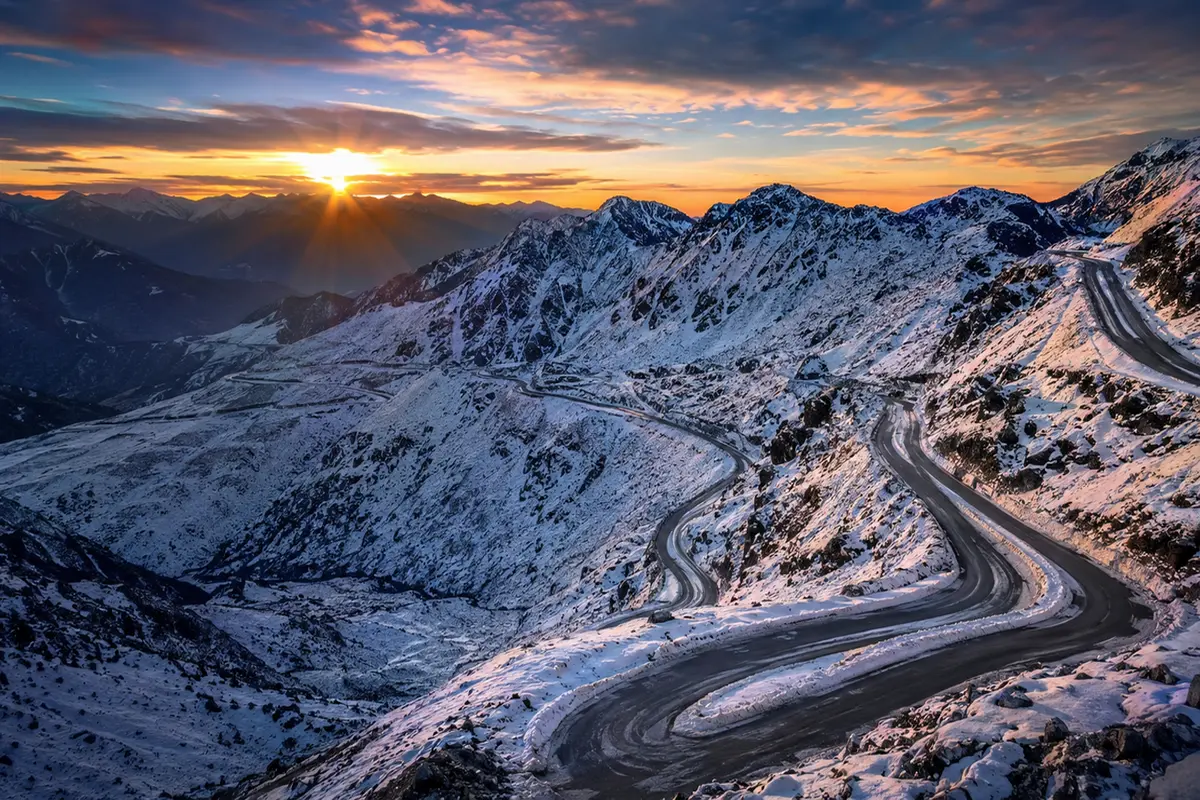
Silk Route is one of the most beautiful mountain destinations in East Sikkim, known for its breathtaking Himalayan views, winding zig-zag roads, high-altitude valleys, and untouched natural beauty. While travellers visit this region throughout the year, winter is the most magical season, especially when snowfall covers the higher areas. As temperatures drop, places such as Nathang Valley, Lungthung, Tukla Valley, and Kupup can transform into a spectacular white wonderland. This Silk Route Snowfall Guide will help you understand the best snowfall months, weather conditions, snow-covered attractions, and essential tips for planning a winter trip to East Sikkim.
For many travellers from Kolkata and other parts of India, witnessing snowfall in the Himalayas is a dream experience. Snow-covered mountains, frozen grasslands, icy roads, and misty valleys create a landscape that looks completely different from other seasons. Whether you are a nature lover, photographer, honeymoon couple, or adventure enthusiast, a winter trip to Silk Route can be a memorable Himalayan experience.
In this complete Silk Route Snowfall Guide 2026, you will learn about the snowfall season, best months to visit, weather conditions, road accessibility, temperatures, packing essentials, photography tips, and important winter travel precautions.
Why Visit Silk Route During Snowfall?
Winter transforms Silk Route into a magical Himalayan destination, with snow-covered valleys, frozen lakes, and breathtaking mountain views. Visitors can enjoy snowfall, photography opportunities, and peaceful winter landscapes that are rarely seen during other seasons.
Planning a winter trip to East Sikkim? Explore our Silk Route Tour Package from Kolkata for a convenient travel experience covering permits, accommodation, local sightseeing, and experienced drivers. Our packages are designed to help travellers explore popular snowfall destinations such as Nathang Valley, Lungthung, and Zuluk comfortably.
Before planning your winter journey, check our Best Time to Visit Silk Route guide to understand seasonal weather conditions, snowfall chances, and the ideal months for your trip.
Travellers coming from West Bengal can also read our detailed How to Reach Silk Route from Kolkata guide for information about trains, flights, road routes, and approximate travel duration.
Does Silk Route Receive Snowfall?
Yes, Silk Route receives snowfall almost every winter, particularly in its higher-altitude regions. However, snowfall is not experienced equally throughout the route. The amount of snow depends largely on altitude, weather patterns, and winter weather systems affecting the Himalayas.
Places like Nathang Valley, Lungthung, Tukla Valley, and Kupup are situated at elevations above 11,000 feet. Because of their high altitude, temperatures frequently drop below freezing during winter, creating favourable conditions for snowfall. During heavy winter spells, these destinations can be covered under thick layers of snow, offering visitors a true Himalayan winter experience.
Zuluk, which sits at a comparatively lower altitude, may not always receive heavy snowfall. However, during strong cold waves and significant snowfall events, Zuluk and nearby areas can also turn white. Travellers visiting during peak winter may witness snow-covered roads, frozen water bodies, and breathtaking mountain scenery. For more information about winter conditions in the area, see our Zuluk Weather in 2026 guide.
One important thing to remember is that snowfall cannot be guaranteed on a specific date. Himalayan weather can change rapidly, and some years receive heavier snowfall than others. Therefore, travellers should visit with the expectation of experiencing winter landscapes rather than expecting snowfall on a particular day.

Silk Route Snowfall Guide: Best Time to See Snow
The best time to experience snowfall in Silk Route is generally from late December to February. During this period, temperatures remain extremely low, especially in the higher reaches of East Sikkim. For a broader understanding of winter conditions in Nathang Valley, you can also refer to our Nathang Valley Weather in 2026 guide.
Late December
Late December marks the beginning of the main snowfall season. As winter intensifies, temperatures in Nathang Valley and surrounding areas frequently drop below 0°C. Fresh snowfall may start appearing on mountain slopes and high-altitude roads.
This period is suitable for travellers who want to enjoy winter scenery without necessarily facing the harshest conditions of January. Tourist crowds are also comparatively manageable, except around the Christmas and New Year holidays.
January
January is widely considered one of the best months for snowfall lovers. It is usually the coldest period of winter in Silk Route, and heavy snowfall can occur in Nathang Valley, Lungthung, Tukla Valley, and nearby high-altitude regions.
The landscape can become dramatically transformed during January, with snow-covered mountains, snow-lined roads, and white valleys. Photographers particularly enjoy this season because fresh snow can create striking Himalayan landscapes.
However, travellers should be prepared for very cold temperatures and possible road disruptions caused by heavy snowfall.
February
February continues to offer good opportunities to witness snow. Although fresh snowfall may be less frequent than in January, substantial snow cover can remain across the higher regions.
One advantage of travelling in February is that conditions may become comparatively manageable as winter progresses. Tourist crowds are often lower, allowing visitors to enjoy a quieter winter experience.
If you are planning a winter Silk Route trip, proper route planning, permits, warm clothing, and local transport arrangements are important for travelling comfortably in changing Himalayan conditions.

Month-Wise Snowfall Guide in Silk Route
Understanding the seasonal changes can help travellers choose the right time for a winter trip to Silk Route.
November
November marks the beginning of winter in Silk Route. Days are generally pleasant and clear, while nights become significantly colder. Snowfall is uncommon at this stage, but travellers can enjoy excellent mountain visibility and clear Himalayan views.
December
Temperatures continue to fall throughout December. Higher-altitude areas may experience frost, while late December can bring the first significant snowfall of the season. Winter landscapes and photography become particularly rewarding during this period.
January
January is generally the peak snowfall month. Temperatures can remain below freezing, especially at night in the higher regions. Thick snow cover, frozen landscapes, and dramatic winter scenery make January a popular month for snowfall enthusiasts.
February
Snow can continue to cover the higher regions during February. Travellers may experience both fresh snowfall and existing snow-covered valleys, while weather conditions can become comparatively more manageable as winter progresses.
March
March signals the gradual arrival of spring. Snow begins melting at lower elevations, although higher areas may still retain patches of snow. Weather becomes more comfortable, making this period suitable for travellers who prefer milder conditions.
Silk Route Snowfall Weather and Temperature
Winter in the Silk Route region can be extremely cold, especially in high-altitude destinations such as Nathang Valley, Lungthung, Tukla Valley, and Kupup. Travellers should not focus only on daytime temperatures, as conditions can become significantly colder after sunset.
During late December, January, and February, daytime temperatures in the higher areas can remain only a few degrees above freezing, while nighttime temperatures may fall well below 0°C during severe cold waves. Strong mountain winds can also make conditions feel colder than the recorded temperature.
| Month | Approx. Day Temperature | Approx. Night Temperature |
| December | 4°C to 10°C | -2°C to 2°C |
| January | 0°C to 6°C | -5°C to -10°C |
| February | 2°C to 8°C | -3°C to -7°C |
These figures are approximate and can vary significantly depending on altitude, weather conditions, and the particular location along the route.
Travellers planning a winter trip should prepare for freezing conditions rather than relying on forecasts alone. Wearing multiple layers is generally more practical than carrying one heavy jacket, while proper winter clothing can make a significant difference to your comfort.
Weather conditions can vary across different locations on the route. For destination-specific information, check our detailed Zuluk Weather Guide before planning your trip.
Best Silk Route Snowfall Locations
The Silk Route consists of several beautiful destinations, but snowfall varies across the route. If your primary goal is to experience snow, the higher-altitude areas are the places you should prioritize.
Nathang Valley Silk Route Snowfall Experience
Nathang Valley is one of the most popular snowfall destinations on the Silk Route. Located at an altitude of around 13,000 feet, this breathtaking valley can transform into a white wonderland during winter.

As snow covers the grasslands, roads, and surrounding mountains, the entire landscape takes on a dramatic winter appearance. The valley can look particularly beautiful around sunrise when early morning light falls across the snow-covered landscape.
For many travellers visiting Silk Route during winter, Nathang Valley becomes one of the highlights of the journey. Its combination of open landscapes, snow-covered peaks, and peaceful surroundings makes it a memorable winter destination.
If you are planning an overnight stay in Nathang Valley, our Nathang Valley Weather 2026 guide provides useful information about seasonal temperatures and winter travel conditions.
Lungthung Silk Route Snowfall Views
Lungthung is one of the highest points accessible along the Silk Route circuit. Its elevation makes it one of the places where travellers can experience significant snowfall during winter.
During the colder months, the area can remain covered in snow for extended periods. On clear days, visitors can also enjoy spectacular views of the surrounding Himalayan ranges, making Lungthung a rewarding destination for photographers and nature lovers. You can learn more about the destination in our Lungthung Travel Guide.
The snow-covered roads leading towards Lungthung can also become one of the most memorable parts of a winter journey.

Silk Route Snowfall at Thambi View Point
Thambi View Point is famous for its panoramic views of the iconic Zig Zag Road of Zuluk. During snowfall season, the viewpoint becomes even more striking.

Fresh snow covering the winding mountain roads creates one of the most recognizable winter landscapes in East Sikkim. Early morning visits can offer better visibility and favourable lighting for photography. For more information about the viewpoint, see our Thambi Viewpoint Travel Guide.
Travellers interested in winter photography should consider including Thambi View Point in their Silk Route itinerary.
Kupup Lake During Silk Route Snowfall
Located near the Indo-China border, Kupup Lake, also known as Elephant Lake, becomes a beautiful winter destination. The lake and surrounding mountains may remain partially covered in snow, creating a peaceful high-altitude landscape.

The combination of the lake, snow-covered slopes, and surrounding mountains makes Kupup one of the most interesting stops on the Silk Route circuit. Our Kupup Lake Travel Guide covers more information about the lake and what travellers should know before visiting.
Tukla Valley
Tukla Valley is often overlooked by travellers, but it can become particularly beautiful during the snowfall season.
Compared with some of the more popular stops, Tukla Valley can offer a quieter experience. Snow-covered grasslands, dramatic mountain scenery, and a peaceful environment make it an appealing stop for travellers who enjoy less crowded landscapes.
Most of these snowfall destinations can be explored as part of a well-planned winter trip. If you are planning a complete East Sikkim winter journey from Kolkata, explore our Silk Route Tour Package from Kolkata for convenient itinerary planning, permits, accommodation, local sightseeing, and transport arrangements.
Can Families Visit Silk Route During Snowfall?
Yes, families can visit Silk Route during winter, provided they prepare properly for cold weather, high altitude, and changing road conditions.
Winter travel requires adequate warm clothing, regular hydration, and avoiding unnecessary physical exertion at high altitudes. Families travelling with children or elderly members should plan the itinerary at a comfortable pace and discuss any individual health concerns with a qualified doctor before travelling.
Choosing a reliable tour operator and an experienced local driver is particularly useful during winter, as weather and road conditions can change quickly.
Accommodation also becomes an important consideration during the colder months. Explore our Silk Route Hotels & Homestays Guide to understand the available stay options and what to consider when choosing accommodation for a winter trip.
Road Conditions During Snowfall
One of the biggest concerns for travellers planning a winter trip to Silk Route is road accessibility.
In most cases, the route remains accessible during winter, but heavy snowfall can affect road conditions, particularly in higher regions such as Nathang Valley, Lungthung, and Kupup.
Fresh snowfall may lead to:
- Slippery roads
- Temporary road closures
- Delayed sightseeing schedules
- Restricted vehicle movement
- Permit-related adjustments
Local drivers familiar with the mountain routes can adjust travel plans according to weather and road conditions. Travellers should also keep their itinerary flexible and avoid planning extremely tight schedules during the snowfall season.
Before starting your journey, check the latest local weather and road conditions. It is also helpful to follow a flexible Silk Route Itinerary that allows extra time for unexpected delays caused by snowfall.

What to Pack for a Snowfall Trip?
Packing correctly can make a significant difference to your comfort during a winter trip to Silk Route.
Essential Winter Clothing
The following items are strongly recommended:
- Thermal inner wear
- Heavy winter jacket
- Woollen sweater
- Gloves
- Woollen cap
- Muffler or neck warmer
- Thick woollen socks
- Waterproof trekking shoes
Layering is a practical strategy because temperatures can change significantly throughout the day.
Personal Essentials
Apart from clothing, travellers should carry:
- Sunglasses
- Lip balm
- Moisturiser
- Sunscreen
- Personal medicines
- Water bottle
- Power bank
- Basic first-aid kit
Strong UV exposure can occur at high altitudes even during winter. Sunglasses and sunscreen are therefore useful on snowy days as well.
Photography Tips for Capturing Snowfall in Silk Route
Travellers following this Silk Route Snowfall Guide will find plenty of opportunities for winter photography across the region.
Silk Route is one of the most photogenic destinations in East Sikkim, especially during winter. Snow-covered valleys, winding mountain roads, frozen landscapes, and golden Himalayan sunrises create excellent opportunities for photography. Whether you use a professional camera or a smartphone, winter offers plenty of memorable scenes to capture.
Start Early for the Best Light
Sunrise is often one of the most beautiful times of the day in the mountains. Places like Thambi View Point, Lungthung, and Nathang Valley can look spectacular in the early morning, when soft sunlight falls across the snow-covered landscape. For photography tips and practical information about the viewpoint, see our Thambi Viewpoint Travel Guide.
Carry Extra Batteries
Cold weather can drain camera and phone batteries faster than normal. Carrying one or two fully charged spare batteries or a power bank is a good idea. Keep spare batteries inside a warm inner pocket whenever possible to help protect them from extreme cold.
Protect Your Camera from Moisture
Snowfall and fog can expose camera equipment to moisture. Use a waterproof camera bag and avoid changing lenses in snowy conditions. When moving indoors after shooting outside, allow the camera to warm up gradually to reduce the risk of condensation.
Capture the Famous Zig Zag Road

The iconic Zuluk Zig Zag Road can look particularly striking when covered in snow. Thambi View Point offers a good vantage point for capturing this distinctive landscape. A wide-angle shot during sunrise can create a dramatic winter photograph.
Take Advantage of Fresh Snowfall
Fresh snowfall often creates some of the most striking winter scenery, with clean and undisturbed snow covering the landscape. If you are lucky enough to experience snowfall during your trip, photograph the surroundings when conditions are safe and visibility is adequate.
January vs December – Which Month is Better for Snowfall?
Many travellers planning a winter trip wonder whether December or January is better for experiencing snowfall. Both months have their advantages, but the right choice depends on the type of winter experience you want.
Visiting in December
December marks the beginning of the main snowfall season. Temperatures become colder, mountain views can remain clear, and tourist crowds are generally lower except around Christmas and New Year.
Advantages of December
- Pleasant winter atmosphere
- Lower tourist crowds in early December
- Generally more manageable travel conditions
- Clear Himalayan views on suitable days
- Suitable for travellers who prefer comparatively milder winter conditions
Disadvantages of December
- Snowfall is not always guaranteed
- Snow accumulation may be limited early in the month
- Fresh snowfall opportunities are generally lower than in January
Visiting in January
January is generally considered the peak snowfall month in Silk Route. Temperatures are at their lowest, and the chances of encountering fresh snowfall are usually higher.
Advantages of January
- Higher chance of snowfall
- Thick snow cover in higher areas such as Nathang Valley
- Dramatic winter landscapes
- Ideal for travellers who primarily want to experience snow
- Excellent opportunities for winter photography
Disadvantages of January
- Very cold temperatures
- Possible road disruptions during heavy snowfall
- Higher demand for accommodation around popular travel dates
- More challenging travel conditions
If your main objective is to experience snow, January is generally the better choice. However, snowfall remains weather-dependent and cannot be guaranteed on a particular date.
Is Snowfall Guaranteed in Silk Route?
One of the most common questions travellers ask is whether snowfall is guaranteed during winter.
The simple answer is no.
Snowfall is a natural weather event and cannot be predicted with complete accuracy months in advance. Even during January, conditions can vary from year to year.
Several factors can influence snowfall in the Silk Route region, including:
- Temperature fluctuations
- Western disturbances
- Moisture levels
- Wind patterns
- Regional Himalayan weather systems
Some winters receive heavy snowfall, while others experience lighter snow activity. This is why no responsible travel operator can guarantee fresh snowfall on a specific date.
However, travelling between late December and February generally gives travellers a better chance of experiencing snow-covered landscapes and fresh snowfall.
Instead of planning a trip solely around snowfall, travellers should also enjoy the wider winter landscape of Silk Route, which can remain spectacular even when fresh snow is not falling.
Since several areas of Silk Route fall within regulated or protected zones, travellers should understand the requirements for obtaining an Entry Permit for Silk Route before starting their journey.
Silk Route Snowfall Travel Tips
Following these practical tips can help travellers enjoy a safer and more comfortable winter experience in Silk Route.
A winter trip can be highly rewarding when you prepare properly and allow enough flexibility for changing mountain conditions.
Stay Hydrated
Travellers may drink less water during winter because they feel less thirsty. However, staying hydrated is important, particularly at high altitudes. Drink water regularly throughout the journey.
Avoid Alcohol at High Altitudes
Alcohol can contribute to dehydration and may worsen the effects of altitude-related discomfort. Limiting alcohol consumption is advisable while travelling in high-altitude areas.
Carry Essential Medicines
Carry any regular personal medicines along with basic travel essentials for common issues such as headaches, motion sickness, and cold-related discomfort.
Follow Your Driver’s Advice
Local drivers familiar with the mountain routes can provide useful guidance when weather or road conditions change. If conditions become difficult, follow their safety recommendations.
Keep an Extra Day in Your Plan
Winter weather can occasionally cause travel delays. Keeping an extra day in your itinerary provides flexibility and reduces stress if snowfall or road conditions affect your planned schedule.
Why Choose JT Tourism for a Winter Silk Route Tour?
Planning a winter trip to Silk Route requires careful route planning, local knowledge, permit coordination, and experienced drivers. Choosing a travel partner familiar with the region can make the journey more convenient, especially when snowfall affects road and travel conditions.
JT Tourism offers thoughtfully planned Silk Route tour packages with a focus on comfortable stays, practical travel arrangements, and local support throughout the journey.
What You Get with JT Tourism
- NJP Railway Station pickup and drop
- Bagdogra Airport pickup and drop
- Comfortable homestay accommodation
- Permit assistance for restricted areas
- Experienced local drivers
- Major sightseeing coverage
- 24×7 travel support
- Customized family and couple packages
Our local travel support helps travellers plan their winter journey with greater convenience while allowing flexibility when weather or road conditions change. If you are planning a winter trip from Kolkata, explore our Silk Route Tour Package from Kolkata for a complete itinerary and travel arrangement.
Frequently Asked Questions (FAQs)
Does this Silk Route Snowfall Guide help first-time visitors?
Yes. This Silk Route Snowfall Guide covers snowfall months, weather conditions, road accessibility, winter travel tips, and important precautions for first-time travellers.
Which places are recommended in this Silk Route Snowfall Guide?
Nathang Valley, Lungthung, Thambi View Point, and Kupup Lake are among the main winter attractions covered in this guide. For a broader sightseeing list, explore our Top Places to Visit in Silk Route guide.
Which month has the highest chance of snowfall in Silk Route?
January generally offers the highest chance of snowfall, especially in higher-altitude areas such as Nathang Valley, Lungthung, and Kupup. However, snowfall varies from year to year.
Can I see snowfall in December?
Yes. Late December can bring the first significant snowfall of the season, although the timing and amount of snowfall vary each year.
Which place gets the most snow in Silk Route?
Nathang Valley and Lungthung can receive significant snowfall because of their high altitude. However, the amount of snow varies depending on the season and weather conditions.
Is Silk Route safe during winter?
Winter travel requires careful planning because snowfall can affect roads and travel schedules. Travelling with experienced local drivers and following current weather and road advisories can make the journey safer.
Can children travel during snowfall season?
Yes. Families with children can visit Silk Route during winter, provided they are prepared for cold weather, high altitude, and possible changes in road conditions. Proper winter clothing and a flexible itinerary are essential.
How cold does Nathang Valley get in January?
Night temperatures in Nathang Valley can occasionally fall to around -10°C or lower during severe cold waves. Conditions can vary considerably from one winter to another.
Do roads close because of snowfall?
Heavy snowfall can sometimes cause temporary road closures or delays, particularly in higher-altitude areas. Travellers should allow extra time in their itinerary during winter.
What should I wear during a snowfall trip?
Thermal wear, a heavy winter jacket, gloves, woollen socks, a warm cap, and waterproof shoes are highly recommended. Layering is useful because temperatures can change throughout the day.
Is a 3 Nights 4 Days itinerary enough?
Yes. A 3 Nights 4 Days itinerary can cover the major Silk Route attractions at a comfortable pace, although winter road conditions may require some flexibility.
Do I need permits for Silk Route?
Yes. Indian nationals require permits to visit several areas of the Silk Route circuit. The requirements can vary by route and destination, so travellers should arrange the necessary Entry Permit for Silk Route before starting the journey.
How much does a Silk Route winter trip cost?
The cost of a winter Silk Route trip depends on factors such as the number of nights, accommodation, transport, group size, and travel season. For a detailed breakdown, see our Silk Route Tour Cost guide.
Can I visit Old Baba Mandir during winter?
Old Baba Mandir can be included in a Silk Route sightseeing plan when road and local access conditions permit. Winter weather can affect accessibility, so travellers should check the latest local conditions before visiting. Our Old Baba Mandir Guide provides more information about the attraction and visit planning.
Is Padamchen a good place to stay before exploring Silk Route in winter?
Padamchen is a popular base on the Silk Route circuit and can be useful for travellers beginning or ending their journey. Winter conditions may affect travel times, so it is important to plan accommodation and transport accordingly. Read our Padamchen Travel Guide for more practical information.
Final Thoughts
A Silk Route Snowfall Guide can help travellers prepare for one of the most memorable winter experiences in East Sikkim. From the snow-covered meadows of Nathang Valley to the breathtaking viewpoints of Lungthung and Thambi View Point, the landscape takes on a completely different character during winter.
The combination of fresh mountain air, snow-covered valleys, peaceful surroundings, and spectacular Himalayan views makes the journey special. Whether you are a first-time traveller, photography enthusiast, couple, or family, Silk Route offers a unique winter experience.
If seeing snow is your main goal, plan your trip between late December and February. Keep in mind that snowfall cannot be guaranteed on a specific date, so it is best to keep your itinerary flexible and prepare properly for cold weather and changing road conditions.
The beauty of Silk Route during snowfall is not just about the snow itself. It is about experiencing the Himalayas in a quieter winter setting, surrounded by dramatic mountain landscapes and peaceful high-altitude valleys.
We hope this Silk Route Snowfall Guide helps you plan your winter journey to East Sikkim with greater confidence. Whether you are travelling for snowfall, photography, or simply to experience the Himalayan winter, careful planning can make the trip more comfortable and rewarding.

Plan Your Silk Route Snowfall Tour in 2026
Dreaming of witnessing snowfall in Nathang Valley, Lungthung, and the famous Zuluk Silk Route? Winter can be a magical time to explore East Sikkim, with snow-covered valleys, mountain views, and peaceful Himalayan landscapes.
If you are planning a winter trip from Kolkata, explore our Silk Route Tour Package from Kolkata for accommodation, permit assistance, local transport, sightseeing, and practical travel arrangements. Contact JT Tourism to discuss your preferred travel dates and plan your East Sikkim snowfall trip.
Plan Your Winter Silk Route Trip with JT Tourism
Planning a snowfall trip to Silk Route from Kolkata? Get in touch with JT Tourism for help with your itinerary, permits, accommodation, and winter travel arrangements.