
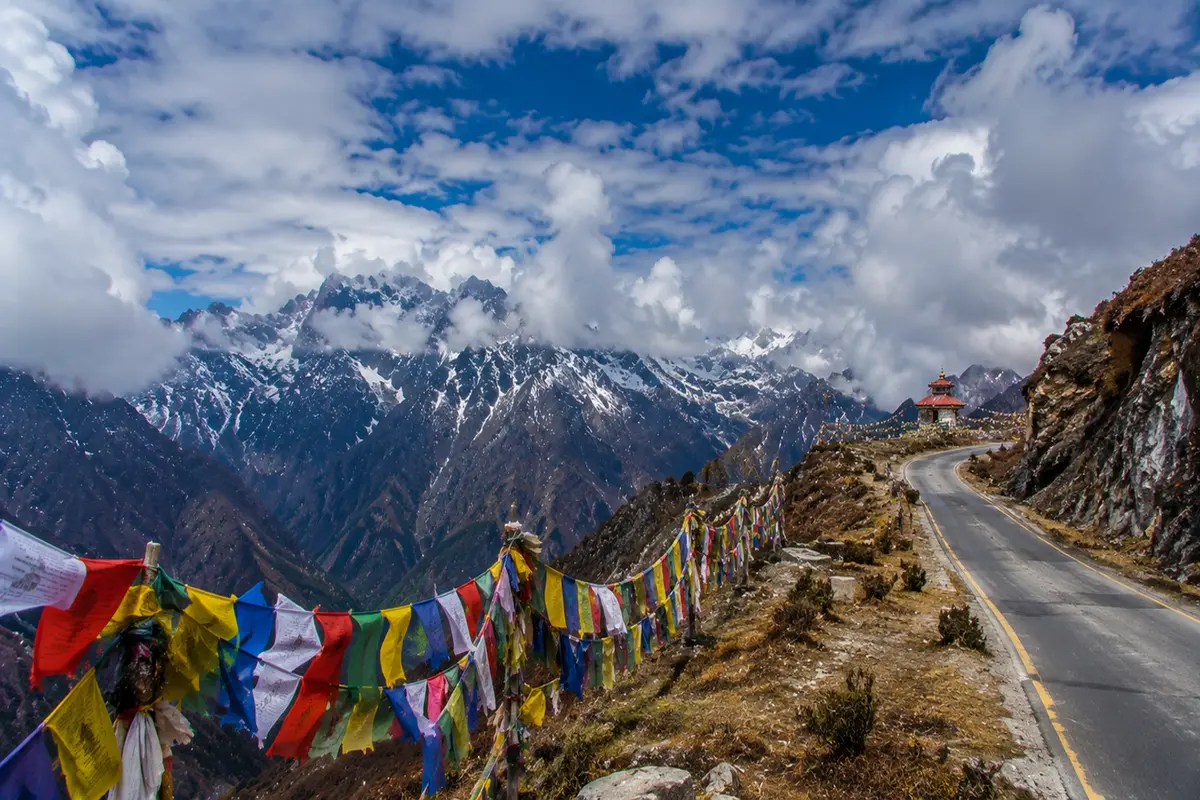
Old Baba Mandir is one of the most fascinating and spiritually significant places to visit on the Silk Route in East Sikkim. Located at a high altitude in the Eastern Himalayas, this shrine is dedicated to Baba Harbhajan Singh, an Indian Army soldier who is believed by many to continue protecting soldiers and travelers even after his death. The temple attracts tourists, pilgrims, and army personnel throughout the year.
While most travelers visit the famous New Baba Mandir near Nathula Pass, the Old Baba Mandir remains a hidden gem offering a more peaceful and authentic experience. Surrounded by rugged mountains, high-altitude valleys, and breathtaking Himalayan landscapes, it is an important stop for travelers exploring the Silk Route.
In this complete Old Baba Mandir Travel Guide 2026, you will learn about its history, location, permit requirements, distance from major destinations, weather conditions, best time to visit, nearby attractions, and essential travel tips.
If you are planning a Silk Route trip from Kolkata, you can also check our detailed Silk Route Tour Package from Kolkata (3 Nights 4 Days) for information about the itinerary, permits, accommodation, and travel costs.
Old Baba Mandir Overview
Old Baba Mandir is one of the most important spiritual and historical attractions on the Silk Route in East Sikkim. Dedicated to Baba Harbhajan Singh, the shrine attracts travelers, pilgrims, and army personnel throughout the year. Set amidst the stunning Himalayan landscape, the temple offers a unique blend of faith, history, and natural beauty. Before planning your visit, take a quick look at the essential travel information below.
| Information | Details |
| Location | East Sikkim, India |
| Altitude | Approximately 13,000 feet |
| Famous For | Baba Harbhajan Singh Shrine |
| Region | Silk Route, East Sikkim |
| Best Time to Visit | March to June & October to December |
| Snowfall Season | December to February |
| Permit Required | Yes |
| Nearby Attractions | Nathang Valley, Tukla Valley, Kupup Lake |
The Old Baba Mandir is located in a remote, high-altitude region of East Sikkim. The shrine is maintained with great respect and continues to remain an important place of faith for army personnel and local residents. Its location also makes it a memorable stop for travelers exploring the scenic Silk Route.
History of Old Baba Mandir
The history of Old Baba Mandir is deeply connected with Baba Harbhajan Singh, a soldier of the Indian Army who served in the challenging terrain of East Sikkim.
Baba Harbhajan Singh served in the Punjab Regiment and was stationed in the difficult Himalayan region during the 1960s. In 1968, while on duty, he reportedly slipped into a stream and lost his life during a military assignment.

According to local legends and accounts shared by army personnel, Baba Harbhajan Singh appeared in the dreams of fellow soldiers after his death and revealed the location of his body. After his body was recovered, many soldiers believed that his spirit continued to guard the border and warn troops about potential dangers.
Over time, a shrine was established in his memory. This original shrine came to be known as the Old Baba Mandir and gradually became one of the most respected spiritual sites in East Sikkim.
Even today, many soldiers and locals believe that Baba Harbhajan Singh continues to protect the border areas and guide troops stationed in the harsh Himalayan environment.
Who Was Baba Harbhajan Singh?
Baba Harbhajan Singh was born in Punjab and joined the Indian Army at a young age. Known for his dedication and discipline, he served in difficult mountain conditions along India’s northeastern borders.
Following his death, numerous stories and legends emerged about his continued spiritual presence. Many army personnel have shared experiences that strengthened the belief that Baba Harbhajan Singh remains a guardian of the region.
Whether viewed as faith, folklore, or tradition, his story has become an important part of East Sikkim’s cultural and military heritage. Today, he is lovingly referred to as “Baba” by soldiers and visitors alike.
Location of Old Baba Mandir
Old Baba Mandir is situated in East Sikkim along the historic Silk Route. The shrine lies in a remote mountain region surrounded by high-altitude valleys, military camps, and breathtaking Himalayan landscapes.
Travelers generally reach the shrine while exploring destinations such as:
- Zuluk
- Nathang Valley
- Lungthung
- Tukla Valley
- Kupup Lake
The journey to Old Baba Mandir is itself a major attraction, offering stunning views of mountains, winding roads, and pristine Himalayan valleys. Travelers planning their route can refer to the Silk Route Itinerary for 3 Nights 4 Days to organize sightseeing and travel time efficiently.

The famous mountain roads of Zuluk offer breathtaking views during a Silk Route journey.
Distance to Old Baba Mandir from Major Locations
Old Baba Mandir is located in a high-altitude region of East Sikkim and is usually visited as part of a Silk Route tour. Travelers often combine their visit with destinations such as Zuluk, Nathang Valley, Kupup Lake, and Gangtok. Knowing the approximate distance and travel time from these locations can help you plan your itinerary more efficiently.
Zuluk to Old Baba Mandir Distance
Zuluk is one of the most popular destinations on the Silk Route and serves as a convenient base for visiting Old Baba Mandir. The route passes through scenic mountain roads, high-altitude viewpoints, and beautiful Himalayan landscapes, making the journey itself a memorable experience.
- Distance: Approximately 35–40 km
- Travel Time: 1.5 to 2 hours
Travelers visiting Zuluk can also check our detailed Zuluk Weather in 2026 guide to understand seasonal conditions and snowfall possibilities.
Nathang Valley to Old Baba Mandir Distance
Nathang Valley is one of the closest major tourist destinations to Old Baba Mandir. Most travelers visit both places on the same day while exploring the higher reaches of the Silk Route. The drive offers spectacular views of barren valleys, mountains, and army camps.
- Distance: Approximately 12–15 km
- Travel Time: 30 to 45 minutes
Kupup Lake to Old Baba Mandir Distance
Kupup Lake, also known as Elephant Lake, is located close to Old Baba Mandir. Visitors often combine these attractions in a single sightseeing circuit. The route is known for its breathtaking scenery and panoramic Himalayan views.
- Distance: Approximately 10–12 km
- Travel Time: 20 to 30 minutes
Gangtok to Old Baba Mandir Distance
Gangtok is the primary gateway to East Sikkim. Travelers starting from Gangtok usually reach Old Baba Mandir through Nathang Valley or other Silk Route destinations. Due to the mountainous terrain, the journey takes several hours but offers incredible landscapes throughout the route.
- Distance: Approximately 60–70 km
- Travel Time: 3 to 4 hours
Travel time can vary depending on road conditions, weather, traffic, and local permit regulations.
How to Reach Old Baba Mandir
Reaching Old Baba Mandir is an unforgettable experience, as the journey takes travelers through some of the most scenic landscapes of East Sikkim. The shrine is located in a high-altitude border region and can be accessed via Bagdogra Airport, New Jalpaiguri (NJP) Railway Station, or by road through the famous Silk Route.
Most visitors include Old Baba Mandir as part of their Silk Route itinerary along with Nathang Valley, Zuluk, and Kupup Lake. Travelers coming from Kolkata can also refer to our detailed How to Reach Silk Route from Kolkata – Complete Travel Guide 2026 for route planning and transportation information.
By Air
Bagdogra Airport is the nearest airport for travelers visiting Old Baba Mandir. Regular flights connect Bagdogra with major Indian cities such as Kolkata, Delhi, Bangalore, and Guwahati. From the airport, visitors can hire a vehicle and continue their journey towards East Sikkim.
By Train
New Jalpaiguri (NJP) Railway Station is the nearest major railhead and is well connected with several cities across India. Most Silk Route travelers prefer arriving at NJP before beginning their road journey to East Sikkim.
By Road
The most popular route is:
NJP/Bagdogra → Rongli → Lingtham → Padamchen → Zuluk → Nathang Valley → Old Baba Mandir
This scenic route offers spectacular mountain views and takes travelers through some of the most beautiful landscapes of the Silk Route.
Permit Required for Old Baba Mandir
Yes, a permit is mandatory for visiting Old Baba Mandir. Since the area is located close to India’s international border, travelers must obtain the necessary permits through registered travel agencies or authorized tour operators.
Required documents generally include:
- Aadhaar Card / Voter ID
- Passport, where applicable, for identification
- Passport-size photographs
Permit regulations and document requirements may change, so visitors should confirm the latest rules before traveling. For a detailed explanation of the application process and required documents, refer to our Entry Permit for Silk Route – Complete Guide 2026.
Best Time to Visit Old Baba Mandir

Old Baba Mandir can be visited throughout the year, but the experience varies significantly from one season to another. The region offers snow-covered landscapes in winter, pleasant weather in spring and summer, and crystal-clear Himalayan views during autumn.
Weather conditions, road accessibility, and sightseeing opportunities also change throughout the year. Therefore, choosing the right season is important for a comfortable and memorable trip. For a broader seasonal overview of the region, you can also read our Best Time to Visit Silk Route: Complete Season Guide 2026.
Spring (March to May)
Spring brings clear skies and pleasant weather to the region. The surrounding hills become greener, while good visibility makes this one of the best seasons for sightseeing and photography.
Temperature: 5°C to 15°C
Highlights:
- Pleasant weather
- Clear mountain views
- Comfortable sightseeing
Summer (June)
Summer remains relatively cool and comfortable because of the high altitude. Travelers looking to escape the heat of the plains often choose this period to explore the Silk Route and Old Baba Mandir.
Temperature: 8°C to 18°C
Highlights:
- Comfortable travel conditions
- Beautiful Himalayan landscapes
- Good sightseeing opportunities
Monsoon (July to September)
During the monsoon season, the surrounding mountains become lush and vibrant. However, occasional landslides and reduced visibility can affect travel plans, so visitors should monitor weather and road conditions before starting their journey.
Temperature: 8°C to 16°C
Highlights:
- Green mountain scenery
- Misty Himalayan views
Challenges:
- Landslides
- Reduced visibility
Autumn (October to November)
Autumn is considered one of the most photogenic seasons in East Sikkim. Crystal-clear skies and excellent visibility provide spectacular views of the surrounding Himalayan landscape.
Temperature: 2°C to 12°C
Highlights:
- Crystal-clear mountain views
- Excellent photography opportunities
- Comfortable sightseeing conditions
Winter (December to February)
Winter is ideal for travelers who want to experience snowfall and snow-covered Himalayan landscapes. Temperatures can drop significantly, so proper winter clothing is essential.
If you are planning a winter trip, check our detailed Silk Route Snowfall Guide 2026 to learn more about snowfall conditions and the best places and months to experience snow in East Sikkim.
Temperature: -10°C to 5°C
Highlights:
- Snow-covered landscapes
- Unique Himalayan experience
Challenges:
- Extremely cold weather
- Occasional road closures
Weather and Temperature at Old Baba Mandir
Due to its high altitude, Old Baba Mandir experiences cold weather throughout the year. Winter can be particularly harsh, while spring, summer, and autumn generally offer more comfortable conditions for sightseeing.
| Month | Temperature |
| January | -10°C to 2°C |
| February | -8°C to 4°C |
| March | -2°C to 8°C |
| April | 2°C to 12°C |
| May | 5°C to 15°C |
| June | 8°C to 18°C |
| July | 8°C to 16°C |
| August | 8°C to 15°C |
| September | 6°C to 14°C |
| October | 2°C to 12°C |
| November | -2°C to 8°C |
| December | -8°C to 4°C |
Weather can change quickly in this high-altitude region, so travelers should check the latest local conditions before departure. Warm clothing is recommended during every season, particularly for early mornings, evenings, and winter travel.
Nearby Places to Visit from Old Baba Mandir
Old Baba Mandir is surrounded by several breathtaking attractions that make the Silk Route one of the most scenic destinations in East Sikkim. From high-altitude valleys and pristine lakes to panoramic viewpoints, the region offers plenty of sightseeing opportunities for nature lovers, photographers, and adventure seekers.
Most travelers combine their visit to Old Baba Mandir with nearby destinations such as Nathang Valley, Tukla Valley, Kupup Lake, Lungthung View Point, and Thambi View Point. Exploring these attractions allows visitors to experience the diverse landscapes of the Eastern Himalayas.
Nathang Valley
Nathang Valley is one of the most popular attractions on the Silk Route and is often called the “Ladakh of East India.” Located at an altitude of around 13,000 feet, the valley is known for its vast open landscapes, rolling hills, and breathtaking Himalayan views. During winter, snowfall transforms the valley into a stunning white landscape.
Its unique high-altitude scenery makes Nathang Valley a favorite among photographers and nature enthusiasts. Before planning your visit, check our detailed Nathang Valley Weather in 2026 guide for seasonal weather conditions.

Tukla Valley
Tukla Valley is a picturesque high-altitude valley situated near Old Baba Mandir. Surrounded by rugged mountains and open grasslands, it offers spectacular views throughout the year. The area also has historical significance because of the war memorials dedicated to soldiers who served in the region.
Its peaceful surroundings and dramatic mountain landscapes make Tukla Valley an excellent stop during a Silk Route journey.
Kupup Lake
Kupup Lake, popularly known as Elephant Lake because of its unique shape, is one of the most beautiful lakes in East Sikkim. Nestled among towering mountains, the lake creates a stunning contrast against the surrounding landscape.
The area remains relatively peaceful, making it ideal for sightseeing and photography. Travelers interested in exploring the lake in greater detail can also read our guide to Kupup Lake before planning their visit.

Kupup Lake, also known as Elephant Lake, is a major attraction near Old Baba Mandir.
Lungthung View Point
Lungthung View Point is one of the most scenic viewpoints along the Silk Route. From here, travelers can enjoy panoramic views of snow-capped peaks, deep valleys, and winding mountain roads.
The viewpoint is particularly popular around sunrise, when the Himalayan landscape is illuminated by golden light. For more information about the route and viewpoint, check our detailed guide to Lungthung View Point.
Thambi View Point
Thambi View Point is famous for offering one of the best sunrise experiences in East Sikkim. The viewpoint provides spectacular views of the iconic zig-zag roads of Zuluk, which have become one of the most photographed sights on the Silk Route.
On clear mornings, visitors can also enjoy magnificent views of the surrounding Himalayan ranges. Travelers planning to include this viewpoint in their itinerary can explore our detailed guide to Thambi View Point for more information.
Padamchen
Padamchen is one of the important stopover points on the Silk Route and is often included in itineraries before travelers continue towards Zuluk and the higher-altitude areas of East Sikkim. Surrounded by forests and mountain landscapes, it is also a popular place to stay during a Silk Route journey. For a detailed guide to the destination, check our Padamchen Travel Guide 2026.
These attractions are among the most popular places to explore in East Sikkim. For more sightseeing ideas and route planning, explore our Top 10 Places to Visit in Silk Route (Complete Travel Guide 2026).
Travel Tips for Visiting Old Baba Mandir
Before visiting Old Baba Mandir, keep these important travel tips in mind:
- Carry valid identification documents.
- Obtain the necessary permits through authorized sources.
- Wear warm clothing throughout the year.
- Carry sunglasses and sunscreen.
- Stay hydrated at high altitude.
- Avoid excessive physical exertion.
- Follow army regulations and local guidelines.
- Start your journey early in the morning.
- Keep basic medicines with you.
- Respect the spiritual significance of the shrine.
Photography Tips
Old Baba Mandir and the surrounding Silk Route region offer excellent photography opportunities. Some of the best subjects include:
- Snow-covered mountains
- Prayer flags
- Himalayan landscapes
- Sunrise viewpoints
- Kupup Lake
- Nathang Valley scenery
Early morning is generally the best time for photography because visibility is often clearer and the surrounding mountains receive beautiful natural light.
Why You Should Visit Old Baba Mandir
Old Baba Mandir is much more than a tourist attraction. It represents a unique combination of faith, military history, local folklore, and Himalayan beauty. The shrine’s fascinating story, combined with the spectacular landscapes of East Sikkim, creates an unforgettable travel experience.
Whether you are a spiritual traveler, history enthusiast, photographer, or simply someone looking to explore the hidden gems of the Silk Route, Old Baba Mandir deserves a place on your itinerary.
If you are planning an overnight stay in East Sikkim, explore our Silk Route Hotels and Homestays Guide 2026 to learn more about accommodation options along the route.
Frequently Asked Questions (FAQs)
Is Old Baba Mandir different from New Baba Mandir?
Yes. Old Baba Mandir is the original shrine associated with Baba Harbhajan Singh, while New Baba Mandir was built later and is more commonly visited by tourists.
Do I need a permit to visit Old Baba Mandir?
Yes. A permit is mandatory because Old Baba Mandir is located in a restricted high-altitude area close to the international border. Travelers should obtain the required permit through an authorized travel agency or tour operator.
What is the altitude of Old Baba Mandir?
Old Baba Mandir is located at approximately 13,000 feet above sea level.
Can I visit Old Baba Mandir during winter?
Yes, but winter conditions can be challenging. Temperatures may fall below freezing, and roads can occasionally be affected by heavy snowfall or poor weather conditions.
Which is the best month to visit Old Baba Mandir?
April, May, October, and November are generally considered good months to visit because of relatively pleasant weather and clear mountain views.
Can senior citizens visit Old Baba Mandir?
Yes, but senior citizens should take extra precautions because of the high altitude. It is advisable to consult a doctor before traveling and avoid excessive physical exertion during the journey.
How much time is required to visit Old Baba Mandir?
Most travelers spend around 30 minutes to 1 hour at the shrine while exploring the surrounding Silk Route attractions.
Is snowfall visible at Old Baba Mandir?
Yes. Snowfall is common during the winter months, particularly from December to February, although the exact conditions depend on weather and altitude.
Is Old Baba Mandir included in Silk Route tour packages?
Yes. Old Baba Mandir is included in many Silk Route itineraries, particularly tours covering Nathang Valley, Kupup Lake, and other high-altitude attractions in East Sikkim.
Can I visit Old Baba Mandir and Nathang Valley on the same day?
Yes. Most travelers can visit Old Baba Mandir and Nathang Valley on the same day because the two destinations are relatively close and are commonly covered as part of the same sightseeing route.
What should I carry while visiting Old Baba Mandir?
Visitors should carry valid ID proof, warm clothing, comfortable shoes, sunglasses, sunscreen, drinking water, and any personal medicines required during high-altitude travel.
Is Old Baba Mandir suitable for photography?
Yes. The surrounding Himalayan landscapes, valleys, lakes, and viewpoints provide excellent photography opportunities throughout the year. Early morning is generally a good time for clear mountain views and natural light.
Final Thoughts
Old Baba Mandir is more than just a tourist attraction—it is a place where faith, history, military heritage, and natural beauty come together. The inspiring story of Baba Harbhajan Singh, combined with the breathtaking Himalayan landscapes of East Sikkim, makes this destination a unique experience for travelers.
Whether you are exploring the Silk Route for its scenic beauty, seeking spiritual peace, or discovering the hidden gems of the Eastern Himalayas, a visit to Old Baba Mandir can leave lasting memories. Its fascinating history, stunning surroundings, and cultural significance make it an important stop on any Silk Route itinerary.
If you are planning your trip from Kolkata, check our detailed Silk Route Tour Cost from Kolkata 2026 guide to understand the expected travel expenses, accommodation costs, transportation, and overall budget.

Plan Your Silk Route Tour with JT Tourism
Looking for a hassle-free Silk Route trip from Kolkata? JT Tourism offers well-planned Silk Route Tour Packages from Kolkata that include comfortable accommodation, local sightseeing, permits, transportation, and travel assistance.
Whether you are traveling with family, friends, or as a couple, our Silk Route Tour Package from Kolkata (3 Nights 4 Days) can help you explore the best of East Sikkim, including Zuluk, Nathang Valley, Kupup Lake, and Old Baba Mandir.
Contact JT Tourism today and start planning your unforgettable Silk Route adventure.
Need Help Planning Your Silk Route Trip?
Get expert assistance with tour packages, permits, hotels, transportation, and sightseeing to make your journey smooth and hassle-free.
Contact JT Tourism today and plan your perfect Silk Route getaway.