
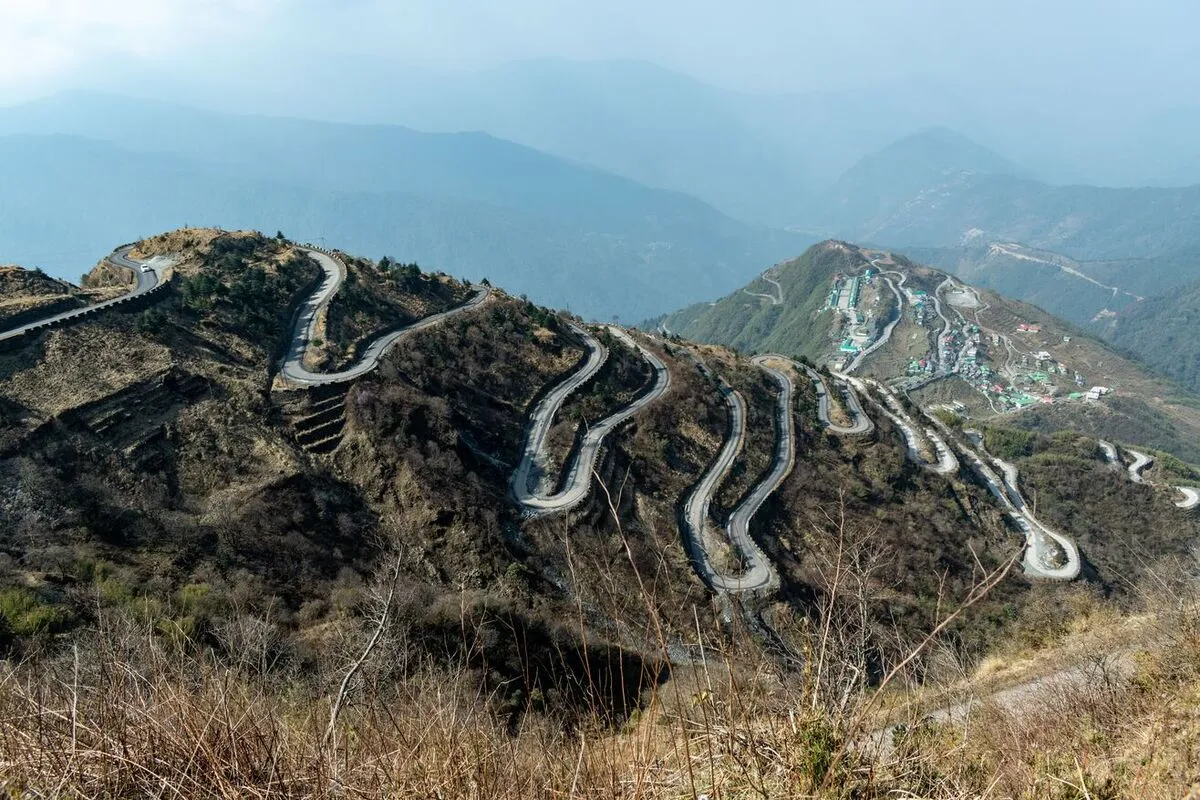
Zuluk Weather in 2026 remains cool and refreshing throughout the year due to the village’s high-altitude location in East Sikkim. Situated at an elevation of nearly 10,000 feet above sea level, Zuluk offers breathtaking Himalayan views along with a pleasant mountain climate.
Because of its mountainous location, the weather stays cool throughout the year. Travelers often combine their visit with a Silk Route Tour Package from Kolkata (3 Nights 4 Days), as Zuluk is one of the most popular destinations along the historic Silk Route. The landscape changes with every season, from blooming valleys in spring to snow-covered roads in winter.
The climate in Zuluk varies significantly throughout the year. Spring and summer bring pleasant temperatures and clearer skies, making sightseeing comfortable. During the monsoon months, the region receives heavy rainfall, turning the surrounding hills lush green. Autumn is known for crystal-clear Himalayan views, while winter brings freezing temperatures and occasional snowfall, attracting travelers who want to experience snow.
Understanding Zuluk weather before planning your trip can help you choose the right season based on your travel preferences. Whether you want to witness snowfall, enjoy panoramic views of Kanchenjunga, explore the winding roads of the Silk Route, or capture stunning mountain photographs, knowing the seasonal conditions can help you enjoy a safer and more memorable travel experience in 2026.
What is the Weather Like in Zuluk in 2026?
Zuluk experiences cool weather throughout the year because of its high altitude of approximately 10,000 feet. Temperatures can range from around -5°C in winter to 20°C in summer. Snowfall is common between December and February, while October and November generally offer some of the clearest Himalayan views.
Zuluk Weather Overview
Zuluk experiences a unique mountain climate throughout the year due to its high-altitude location in East Sikkim. Each season offers a different travel experience, from blooming landscapes in spring to snow-covered roads in winter. Understanding the seasonal weather pattern can help travelers choose the best time to visit based on their preferences.
Understanding Zuluk Weather in 2026 can help travelers plan their trip according to seasonal conditions.
| Season | Months | Temperature | Weather Condition |
| Spring | March – May | 5°C to 18°C | Pleasant weather and blooming flowers |
| Summer | May – June | 10°C to 20°C | Comfortable sightseeing weather |
| Monsoon | July – September | 8°C to 16°C | Heavy rainfall and fog |
| Autumn | October – November | 3°C to 15°C | Clear skies and mountain views |
| Winter | December – February | -5°C to 8°C | Cold weather with snowfall |
Spring Weather in Zuluk (March–May)
Spring is one of the most beautiful seasons in Zuluk. As winter gradually fades, snow begins to melt and the surrounding hills become vibrant with greenery and blooming rhododendrons. Comfortable temperatures make this season ideal for sightseeing, photography, and exploring the scenic Silk Route.

Summer Weather in Zuluk (May–June)
Summer in Zuluk remains pleasantly cool compared to most parts of India. Daytime temperatures are comfortable, while mornings and evenings can still feel chilly. The weather is generally clear, offering good visibility of the Himalayan ranges and making it a popular season for family trips and nature lovers.
Monsoon Weather in Zuluk (July–September)
The monsoon season brings frequent rainfall and dense fog to Zuluk. The mountains become lush green and highly scenic during this period. However, heavy rain can sometimes cause landslides and road disruptions. Travelers planning a monsoon trip should check the latest weather and road conditions before starting their journey.
Rainfall in Zuluk
Zuluk receives most of its annual rainfall between July and September. Heavy rain creates misty mountain landscapes and lush green valleys, but travelers may occasionally face roadblocks or landslides. Visitors planning a monsoon trip should keep extra travel time and monitor weather updates regularly.

Autumn Weather in Zuluk (October–November)
Autumn is widely considered one of the best seasons to visit Zuluk. As the monsoon clouds clear, spectacular views of the Eastern Himalayas and Kanchenjunga become visible. Pleasant temperatures, clear skies, and excellent visibility make this season ideal for photography, sightseeing, and road trips along the Silk Route. Travelers can also check the Best Time to Visit Silk Route: Complete Season Guide 2026 to understand the wider seasonal conditions of the region.
Winter Weather in Zuluk (December–February)
Winter transforms Zuluk into a snowy Himalayan destination. Temperatures can drop below freezing, especially during January and February. Snowfall is common during this period, attracting travelers who want to experience snow-covered landscapes. Warm clothing and proper winter gear are essential for a comfortable visit during the cold season.
Zuluk Weather Month by Month
Zuluk experiences noticeable temperature changes throughout the year, from freezing winter nights to pleasantly cool summer days. The month-by-month temperature guide below gives travelers a quick overview of Zuluk Weather in 2026 and helps them understand what conditions to expect during different months.
| Month | Tempature |
| January | -5°C to 5°C |
| February | -3°C to 6°C |
| March | 0°C to 10°C |
| April | 4°C to 14°C |
| May | 8°C to 18°C |
| June | 10°C to 20°C |
| July | 9°C to 17°C |
| August | 8°C to 16°C |
| September | 7°C to 15°C |
| October | 4°C to 14°C |
| November | 0°C to 10°C |
| December | -3°C to 8°C |
The month-by-month guide to Zuluk Weather in 2026 provides a clear picture of seasonal temperature changes and helps travelers choose the right time for their trip.
Zuluk Weather in January
January is the coldest month in Zuluk. Temperatures often fall below freezing, especially at night. Snowfall is common, covering the mountains and roads with a beautiful white layer. Travelers visiting during this month should carry proper winter clothing and be prepared for possible road closures due to heavy snow.
Zuluk Weather in February
February remains extremely cold, with winter conditions continuing across the region. Snowfall can still occur, making it a popular month for travelers who want to experience a snowy Himalayan landscape. The weather is generally dry, but temperatures remain low throughout the day.
Zuluk Weather in March
As winter gradually comes to an end, temperatures begin to rise in March. Snow starts melting, and the surrounding hills slowly regain their greenery. The weather becomes more comfortable for sightseeing, while early spring flowers begin appearing in nearby areas.
Zuluk Weather in April
April is considered one of the best months to visit Zuluk. The weather remains pleasant, with clear skies and moderate temperatures. Rhododendrons and other seasonal flowers bloom across the hills, creating colorful landscapes that attract photographers and nature lovers.
Zuluk Weather in May
May offers comfortable temperatures and good visibility of the Himalayan mountain ranges. The weather is ideal for sightseeing, road trips, and exploring the scenic Silk Route. It is also one of the busier travel months because of favorable weather conditions.
Zuluk Weather in June
June continues to provide pleasant weather, although occasional rainfall may begin toward the end of the month. The surrounding valleys remain lush and green, while temperatures stay comfortable for outdoor activities and sightseeing.
Zuluk Weather in July
July marks the beginning of the monsoon season in Zuluk. Heavy rainfall becomes frequent, and fog often covers the mountain roads. While the landscape looks lush and fresh, travel disruptions caused by landslides and roadblocks can occur.
Zuluk Weather in August
August experiences continued monsoon rainfall with frequent clouds and mist. Visibility may be limited on some days, and road conditions can become challenging. Travelers visiting during this period should keep extra travel time in their itinerary.
Zuluk Weather in September
The monsoon gradually weakens during September. Rainfall decreases, and clearer mountain views begin to return. The landscape remains vibrant and green, making it an attractive month for travelers who enjoy peaceful surroundings and post-monsoon scenery.
Zuluk Weather in October
October is widely regarded as one of the best months to visit Zuluk. The skies are generally clear, temperatures are pleasant, and stunning views of Kanchenjunga can often be seen. This month is ideal for photography, sightseeing, and enjoying the scenic beauty of the Silk Route.
Zuluk Weather in November
November brings cool and dry weather with excellent visibility. Tourist crowds are generally lower than in October, allowing visitors to enjoy a more peaceful travel experience. The crisp mountain air and clear skies make this another excellent month for exploring Zuluk.
Zuluk Weather in December
December marks the arrival of winter in Zuluk. Temperatures drop significantly, especially at night, and the first snowfall of the season may occur. Travelers visiting during December can experience beautiful winter landscapes while preparing for colder weather conditions.
When Does It Snow in Zuluk?
Zuluk is one of the destinations in East Sikkim where travelers can experience snowfall during winter. Its high altitude and cold Himalayan climate create suitable conditions for snow, transforming the village into a picturesque winter destination.
Winter is one of the most exciting periods of Zuluk Weather in 2026 for snowfall enthusiasts.

Snowfall Season in Zuluk
Snowfall in Zuluk generally begins in late December and continues through January and February. During particularly cold winters, traces of snow may remain visible into early March. January is usually considered the peak snowfall month, offering a good chance of witnessing snow-covered landscapes. For a broader understanding of snowfall conditions, travelers can also refer to the Silk Route Snowfall Guide 2026.
How Much Snow Can You Expect?
The amount of snowfall varies from year to year depending on weather conditions. Light snowfall may cover roads, rooftops, and surrounding hills, while heavier snowfall can create thick layers of snow across the region. During severe winter spells, road access may become temporarily restricted due to snow accumulation.
Travel Tips During Snowfall
If you are planning a winter trip to Zuluk, check the latest weather and road conditions before departure. Carry sufficient warm clothing, waterproof footwear, gloves, and thermal wear. It is also advisable to keep extra travel time in your itinerary, as snowfall can occasionally affect road connectivity and sightseeing schedules.
Zuluk Weather vs Nathang Valley Weather
Although both destinations are located along the Silk Route, Nathang Valley is situated at a much higher altitude than Zuluk. Nathang Valley is generally colder throughout the year and receives heavier snowfall during winter. You can learn more about its seasonal conditions in our Nathang Valley Weather in 2026 guide. Travelers looking for more extreme winter conditions often prefer Nathang Valley, while Zuluk offers a relatively more comfortable climate for sightseeing during most months of the year.
Best Time to Visit Zuluk
The best time to visit Zuluk depends largely on Zuluk Weather in 2026 and the type of experience you are looking for. Zuluk can be visited throughout the year, but spring and autumn are generally preferred for pleasant weather and clear mountain views, while winter attracts travelers who want to experience snowfall. Before finalizing your itinerary, you can also read our Best Time to Visit Silk Route guide to understand the seasonal conditions across the wider Silk Route region.

Best Time for Sightseeing
The best time for sightseeing in Zuluk is from March to May and October to November. During these months, temperatures remain comfortable, skies are generally clearer, and road conditions are more suitable for exploring the scenic attractions of Zuluk and the Silk Route.
Best Time for Photography
Photography enthusiasts should consider visiting during April, May, October, and November. Spring brings colorful flowers and green landscapes, while autumn offers clearer Himalayan views, including spectacular sightings of Kanchenjunga.
Best Time for Snowfall Lovers
Travelers who want to experience snowfall should plan their visit between December and February. January and February usually offer the highest chances of snowfall, making them ideal months for enjoying snow-covered roads, mountains, and winter landscapes.
Packing Tips According to the Season
Packing the right clothing and travel essentials can make your Zuluk trip more comfortable. Since weather conditions vary significantly throughout the year, prepare according to the season of your visit.
Essential Items for Spring & Summer
- Light Jacket
- Sunglasses
- Comfortable Walking Shoes
- Sunscreen
- Personal Medications
Monsoon Travel Packing List
- Raincoat
- Waterproof Shoes
- Umbrella
- Waterproof Backpack Cover
- Extra Set of Clothing
Winter Clothing Checklist for Zuluk
- Heavy Woollen Jacket
- Thermal Wear
- Gloves
- Woollen Cap
- Snow Boots
- Woollen Socks
Regardless of the season, travelers visiting Zuluk should carry valid identification documents and required travel permits. Before planning your journey, check the latest requirements for the Entry Permit for Silk Route – Complete Guide 2026, as permits are required for visiting several areas along the Silk Route circuit.
Travel Tips for Visiting Zuluk in 2026
A little preparation can make your Zuluk trip safer and more enjoyable. Due to its high altitude, changing weather conditions, and remote location, travelers should be aware of a few important factors before planning their journey.
Understanding Zuluk Weather in 2026 can help visitors prepare for changing mountain conditions and choose the right travel essentials.

Road Conditions in Different Seasons
Road conditions in Zuluk vary significantly throughout the year. Spring and autumn usually offer better driving conditions with clearer roads and good visibility. During the monsoon season, heavy rainfall can occasionally cause landslides and road disruptions. In winter, snowfall may make certain stretches slippery or temporarily inaccessible. Checking the latest road updates before departure is always recommended.
Altitude and Weather Precautions
Zuluk is situated at an altitude of around 10,000 feet, where some travelers may experience mild discomfort due to the high altitude. Staying hydrated, avoiding excessive physical exertion on the first day, and allowing your body time to adjust can help make the journey more comfortable. Travelers should also carry warm clothing throughout the year, as temperatures can drop suddenly, especially during mornings and evenings.
Mobile Network and Connectivity
Mobile connectivity in Zuluk can be limited due to its remote Himalayan location. BSNL generally offers better coverage in the area, while other networks may have weak or intermittent signals. Internet speeds can also be slow, so travelers should download important maps, hotel details, and travel documents before reaching Zuluk.
Based on our experience operating Silk Route tours for travelers from Kolkata, October, November, January, and April remain among the preferred months for visiting Zuluk. These months generally offer either clear Himalayan views or memorable snowfall experiences, making them attractive choices for first-time visitors.
Planning Your Silk Route Trip from Zuluk
Zuluk is an important stop on the Silk Route, and many travelers continue their journey towards the higher-altitude viewpoints, valleys, and attractions beyond the village. Weather conditions can affect road travel and sightseeing, so planning the route, accommodation, and itinerary in advance can make the journey more comfortable.
Places to Explore Around Zuluk
After exploring Zuluk, travelers can continue towards several scenic destinations along the Silk Route. Padamchen is a peaceful stop on the route, while Thambi View Point and Lungthung are known for their spectacular Himalayan views. Further ahead, travelers can visit Old Baba Mandir and Kupup Lake, two popular attractions in the high-altitude section of the Silk Route.
Plan Your Route and Itinerary
Since weather conditions can change quickly in the mountains, it is useful to understand the route before starting your journey. For a ready-made day-wise travel plan, the 3 Nights 4 Days Silk Route itinerary can help you organize your journey around Zuluk and other major stops.
Stay and Budget Planning
Accommodation options along the Silk Route are different from those in major tourist towns, with homestays and small local properties being common in several areas. Travelers can explore Silk Route hotels and homestays to understand the available stay options before booking. It is also useful to estimate the overall budget with a guide to Silk Route tour cost from Kolkata before finalizing the trip.
Explore More Silk Route Travel Guides
If you are planning a Silk Route trip from Kolkata, these additional guides can help you prepare for the journey and explore the region more confidently. For transportation options, travel routes, and useful planning information, check our guide on how to reach the Silk Route from Kolkata.
The Silk Route is home to several scenic attractions beyond Zuluk. To discover more destinations and plan your sightseeing, explore our guide to the top places to visit in the Silk Route.
Frequently Asked Questions (FAQ)
This guide to Zuluk Weather in 2026 covers seasonal temperatures, snowfall, rainfall, and the best time to visit. These details can help travelers plan a comfortable and memorable Silk Route journey throughout the year.
Is Zuluk cold throughout the year?
Yes. Due to its high altitude, Zuluk experiences cool weather throughout the year. Even during summer, mornings and evenings can feel chilly.
Which month is best for snowfall in Zuluk?
January is generally considered the best month for snowfall in Zuluk. February can also offer good chances of experiencing snow-covered landscapes.
Can I visit Zuluk during the monsoon?
Yes, Zuluk can be visited during the monsoon, but travelers should be prepared for heavy rainfall, fog, and possible road disruptions caused by landslides.
What is the average temperature in Zuluk?
Temperatures generally range from around -5°C in winter to approximately 20°C in summer, depending on seasonal weather conditions.
Does Zuluk receive snowfall every year?
Zuluk can receive snowfall during winter, but the intensity and duration vary from year to year. January and February usually offer the highest chances of experiencing snowfall.
Is October a good month to visit Zuluk?
Yes. October is widely considered one of the best months to visit Zuluk because of its pleasant temperatures, clearer skies, and excellent Himalayan views.
What is the current weather in Zuluk?
Zuluk weather can change quickly because of its high-altitude Himalayan location. Travelers should check a reliable weather forecast before starting their journey for the latest weather and road conditions.
Which month has the clearest sky in Zuluk?
October and November generally offer some of the clearest skies in Zuluk. After the monsoon season, visibility improves significantly, providing spectacular views of the Eastern Himalayas and Kanchenjunga.
Can senior citizens visit Zuluk in winter?
Yes, senior citizens can visit Zuluk in winter if they are physically fit and comfortable with cold conditions. Since Zuluk is located at a high altitude, elderly travelers should consider their individual health needs and carry any necessary medications.
Does Zuluk get heavy rain?
Yes, Zuluk receives most of its heavy rainfall during the monsoon season, especially from July to September. Frequent rain and fog can occasionally affect road conditions and visibility.
Is Zuluk safe during monsoon?
Zuluk can be visited during the monsoon, but travelers should be aware of possible landslides, roadblocks, and reduced visibility. Checking the latest weather and road updates before traveling is recommended.
What clothes should I carry for Zuluk?
Travelers should carry warm clothing throughout the year. A light jacket is useful during summer, while winter trips require thermal wear, woollen jackets, gloves, caps, and suitable winter footwear.
How cold is Zuluk in January?
January is usually the coldest month in Zuluk. Temperatures can drop to around -5°C or lower at night, while daytime temperatures generally remain between 0°C and 5°C.
Can I see Kanchenjunga from Zuluk?
Yes, Kanchenjunga can often be seen from Zuluk on clear days, particularly during October, November, and spring. Thambi View Point is also known for offering panoramic Himalayan views.
Final Thoughts
If you are planning a Himalayan adventure, Zuluk is a rewarding destination to include in your Silk Route journey. From colorful spring landscapes and lush green monsoon surroundings to clear autumn views and magical winter snowfall, the changing weather ensures that every season offers a different travel experience.
Understanding Zuluk Weather in 2026 before your trip will help you choose the right season according to your travel preferences. Whether you want to enjoy clear Himalayan views, experience snowfall, explore scenic mountain roads, or capture beautiful landscapes, knowing the weather conditions in advance can make your journey more comfortable and enjoyable.
With the right preparation and a clear understanding of Zuluk Weather in 2026, you can make the most of your time in Zuluk. From the peaceful mountain atmosphere to the spectacular views of the Eastern Himalayas, Zuluk offers a memorable experience for travelers exploring East Sikkim.

Plan Your Silk Route Trip with JT Tourism
Ready to explore the breathtaking beauty of East Sikkim? JT Tourism can help you plan your Silk Route journey with transportation, accommodation, permits, and sightseeing arrangements. Whether you are planning a family holiday, a couple’s trip, or a memorable Himalayan getaway, proper planning can make your journey smoother and more comfortable.
Check out our Silk Route Tour Package from Kolkata and start planning your unforgettable Himalayan adventure with JT Tourism.
Plan Your Zuluk & Silk Route Trip
Have questions about the package, route, permits, or travel dates?
Contact JT Tourism on WhatsApp or call us for quick assistance and personalized travel planning.