
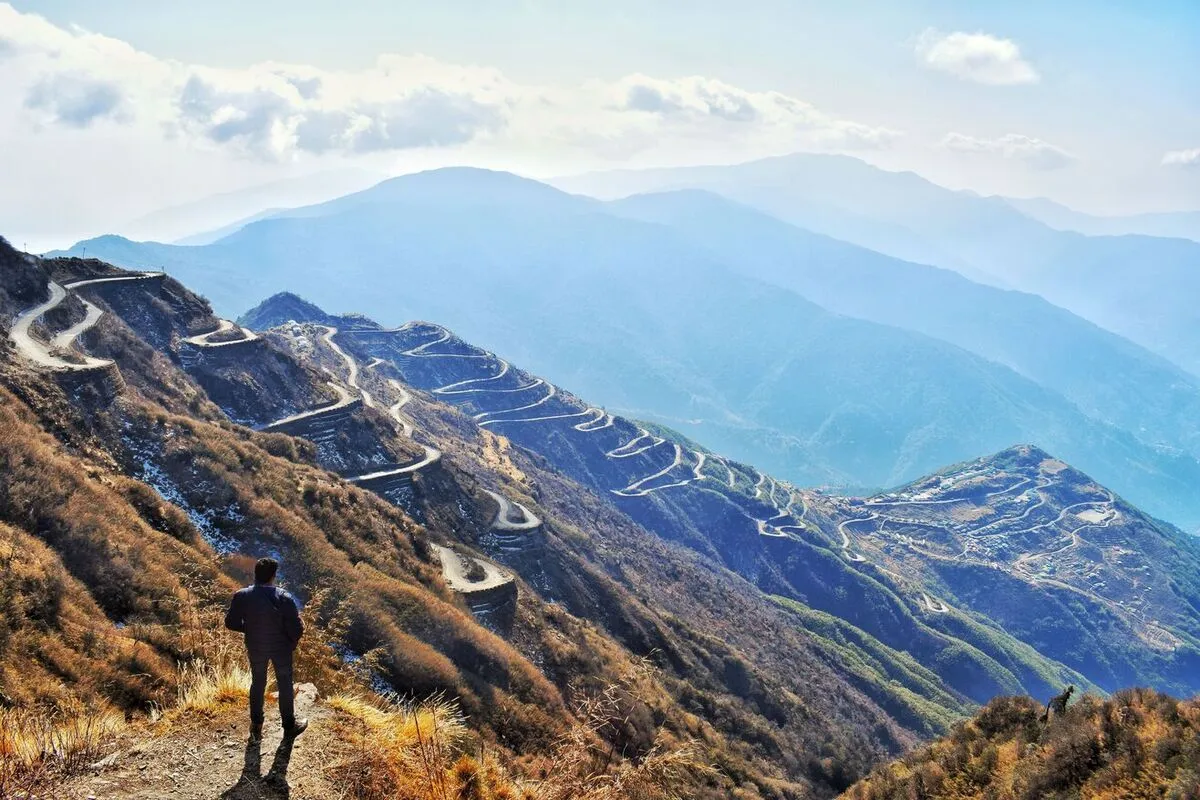
The best time to visit Silk Route is from October to December and March to May. During these months, the weather remains pleasant, the skies are usually clear, and visitors can enjoy breathtaking views of the Eastern Himalayas, including the majestic Kanchenjunga. These seasons are ideal for sightseeing, photography, road trips, and exploring the scenic villages of Zuluk, Padamchen, Nathang Valley, and Kupup.
Planning your Silk Route trip? Explore our Silk Route Tour Package from Kolkata for a complete travel experience that includes comfortable accommodation, sightseeing, permit assistance, experienced local drivers, and dedicated travel support throughout your journey.
Located in the eastern part of Sikkim, the historic Silk Route is one of the most scenic mountain destinations in Northeast India. Famous for its winding hairpin bends, panoramic Himalayan landscapes, and picturesque villages like Zuluk, Padamchen, Nathang Valley, and Kupup, the region offers a unique experience in every season. Winter transforms the mountains into a snowy wonderland, spring brings blooming rhododendrons and pleasant weather, monsoon covers the valleys in lush greenery, while autumn offers crystal-clear mountain views and the best photography opportunities. Understanding the seasonal weather, temperature, road conditions, and sightseeing opportunities will help you choose the best time to visit Silk Route based on your travel style and preferences.

Best Time to Visit Silk Route
Silk Route is one of the most scenic offbeat destinations in East Sikkim, famous for its breathtaking Himalayan landscapes, thrilling hairpin bends, peaceful mountain villages, and the spectacular Nathang Valley. The best time to visit Silk Route depends on the experience you are looking for. Whether you want crystal-clear views of Kanchenjunga, pleasant weather for sightseeing, colourful spring landscapes, or magical winter snowfall, every season offers a unique travel experience.
For most travellers, March to May and October to November are considered the ideal months to visit Silk Route. These seasons offer comfortable temperatures, clear skies, excellent road conditions, and the best opportunities for sightseeing, photography, and nature walks.
Planning your Silk Route holiday from Kolkata? Explore our Silk Route Tour Package from Kolkata, which includes comfortable accommodation, sightseeing, permit assistance, experienced local drivers, and a carefully planned itinerary to help you enjoy a hassle-free journey through East Sikkim.
Best Time to Visit Silk Route for Family
If you are planning a family vacation, the best time to visit Silk Route with family is between March and May or October and November. During these months, the weather remains pleasant, visibility is excellent, and road conditions are generally better, making the journey comfortable for children as well as senior citizens.
Spring (March to May) brings blooming rhododendrons, lush green landscapes, and comfortable temperatures ranging from 5°C to 18°C. Families can enjoy sightseeing at popular attractions such as Zuluk, Nathang Valley, Lungthung, Thambi View Point, Tukla Valley, and Kupup Lake without facing extreme cold.
Autumn (October to November) is equally rewarding. After the monsoon, the skies become exceptionally clear, offering breathtaking views of the Eastern Himalayas and the majestic Kanchenjunga. The pleasant weather makes this season ideal for sightseeing, sunrise photography, village walks, and relaxing family holidays.
Many families travelling from Kolkata prefer these seasons because the chances of heavy rainfall, snowfall, and weather-related road disruptions are much lower than during the monsoon or peak winter months. Hotels, homestays, and sightseeing routes also operate more smoothly, ensuring a safe and enjoyable travel experience.
For a comfortable trip, carry light woollen clothing, as mornings and evenings can still be chilly even during the peak tourist season.
Looking for the perfect place to stay? Before booking your trip, read our Silk Route Hotels & Homestays Guide 2026 to compare the best hotels and homestays in Zuluk, Nathang Valley, Padamchen, and nearby destinations, helping you choose the ideal accommodation for your budget and travel style.
Best Time to Visit Silk Route for Couples
Silk Route is one of the most romantic offbeat destinations in East Sikkim, offering breathtaking Himalayan views, peaceful mountain villages, and unforgettable road journeys. The best time to visit Silk Route for couples is from October to November, when the weather remains pleasant, the skies stay crystal clear, and the surrounding landscapes look their most beautiful.
During this season, couples can witness spectacular sunrises from Thambi View Point, explore the charming village of Zuluk, and admire the panoramic views of Nathang Valley. The clear weather also creates perfect conditions for photography, short nature walks, and relaxing moments amidst the Himalayas.
Another excellent time to visit is March to May. Spring brings blooming rhododendrons, fresh mountain air, and comfortable temperatures, making sightseeing enjoyable throughout the day. Couples who prefer peaceful surroundings, scenic drives, and nature-filled experiences often choose this season.
Many hotels and homestays in Silk Route offer mountain-facing rooms where couples can relax while enjoying beautiful sunrise and sunset views. The region’s uncrowded atmosphere, natural beauty, and serene environment make it an ideal destination for a memorable honeymoon or a romantic getaway.
Planning a romantic escape? Follow our Silk Route Itinerary for 3 Nights 4 Days to explore the region’s top attractions at a comfortable pace and make the most of your journey together.
Silk Route in Spring (March to May)
Spring is considered one of the best times to visit Silk Route. From March to May, the weather remains pleasant, the skies are mostly clear, and the hills are covered with blooming rhododendrons and lush greenery, creating a perfect setting for nature lovers and photographers.
With temperatures ranging between 5°C and 18°C, this season is ideal for sightseeing, family vacations, couple trips, and road journeys. Popular attractions such as Zuluk, Nathang Valley, Lungthung, Thambi View Point, and Kupup Lake are easily accessible, allowing visitors to enjoy breathtaking Himalayan views without experiencing extreme cold.
Why Visit During Spring?
- Pleasant weather for sightseeing
- Clear views of the Eastern Himalayas
- Blooming rhododendrons and lush green landscapes
- Ideal season for families, couples, and photographers
- Comfortable road trips and outdoor activities
Spring is one of the most enjoyable seasons to explore Silk Route. The pleasant weather and clear visibility allow travellers to spend more time visiting popular attractions and enjoying panoramic Himalayan views. Colourful flowers, fresh mountain air, and comfortable temperatures create the perfect setting for photography, nature walks, and scenic drives. Since the peak tourist rush has not yet started, visitors can also enjoy a quieter and more relaxed travel experience.
During spring, travellers can comfortably explore scenic attractions across the region. Kupup Lake looks especially beautiful during this season, surrounded by clear skies and fresh mountain landscapes.

Spring is one of the best seasons to visit Silk Route, offering pleasant weather and colourful Himalayan landscapes.
Silk Route in Monsoon (June to September)
During the monsoon season, Silk Route transforms into a lush green paradise with mist-covered mountains, flowing waterfalls, and vibrant landscapes. The weather remains cool, with temperatures ranging between 10°C and 20°C, making the region look fresh and scenic.
However, heavy rainfall can occasionally cause landslides, roadblocks, and travel delays in some areas. Cloudy skies and dense mist may also reduce visibility, limiting views of the Eastern Himalayas and Kanchenjunga. Despite these challenges, travellers who enjoy peaceful surroundings, fewer tourists, and nature at its greenest often find monsoon to be a rewarding time to visit.
Before planning your trip during this season, it is advisable to check the latest Zuluk Weather in 2026 to stay updated on weather and road conditions.
Things to Consider
- Roads may become slippery due to continuous rainfall.
- Mountain views are often covered by clouds and mist.
- Landslides or temporary roadblocks may occasionally affect travel.
- Best suited for nature lovers who enjoy lush green landscapes and peaceful surroundings.

Silk Route in Autumn (October to November)
Autumn is widely considered the best time to visit Silk Route. From October to November, the weather remains pleasant, with temperatures ranging between 2°C and 15°C. The post-monsoon skies are crystal clear, offering breathtaking views of the Eastern Himalayas and the majestic Kanchenjunga, making this the perfect season for sightseeing and photography.
Autumn is also an excellent time to visit Old Baba Mandir, as clear weather and good road conditions make sightseeing more enjoyable.
Highlights
- Crystal-clear views of the Himalayan peaks
- Pleasant weather for sightseeing
- Best season for photography
- Ideal road conditions for scenic drives
After the monsoon, the atmosphere becomes fresh and visibility improves significantly, allowing travellers to enjoy some of the most spectacular mountain views of the year. Stable weather and minimal rainfall make it easier to explore popular destinations such as Zuluk, Nathang Valley, Lungthung, Thambi View Point, and Kupup Lake. Autumn is also a favourite season for families, couples, and photographers who want to experience Silk Route at its most scenic.
To make the most of your autumn trip, read our Top Places to Visit in Silk Route guide and discover the must-visit attractions, scenic viewpoints, and hidden gems across East Sikkim before you travel.

Silk Route in Winter (December to February)
Winter is the perfect season for travellers who want to experience the magical beauty of Silk Route under snow. From December to February, temperatures range between -5°C and 10°C, while high-altitude destinations such as Nathang Valley, Zuluk, and nearby mountain passes often receive snowfall, especially during peak winter.
Snow-covered landscapes, crisp mountain air, and breathtaking Himalayan views make this one of the most memorable seasons to visit Silk Route. Although the weather can be extremely cold, winter offers a unique experience for snow lovers, photographers, and adventure seekers looking to witness the region at its most spectacular.
Why Visit During Winter?
- Chance to witness fresh snowfall
- Snow-covered Himalayan landscapes
- Ideal season for winter photography
- A unique experience for snow lovers
Planning a snow trip? Read our Silk Route Snowfall Guide 2026 to find the best months for snowfall, expected weather conditions, and essential travel tips before visiting during winter.

Best Time to Visit Silk Route for Snowfall
If witnessing snowfall is your priority, plan your Silk Route trip between late December and February. Although snowfall depends on yearly weather conditions and cannot be guaranteed, this period offers the highest chance of experiencing fresh snow in the high-altitude regions of East Sikkim.
Nathang Valley is the most popular destination for snowfall in the Silk Route region. During peak winter, the valley often transforms into a breathtaking white wonderland, attracting travellers from across India. Temperatures can drop below freezing, especially during the night and early morning.
Apart from Nathang Valley, Lungthung, Tukla Valley, and nearby high-altitude viewpoints may also receive snowfall depending on the weather. Snow-covered roads, frozen landscapes, and spectacular Himalayan views make winter a favourite season for photographers, adventure lovers, and travellers looking for a unique mountain experience.
Travellers should be prepared for extremely cold temperatures and possible road restrictions caused by heavy snowfall. Carrying thermal wear, gloves, woollen caps, waterproof shoes, and other winter essentials is highly recommended for a safe and comfortable journey.
Before planning your winter trip, check our Nathang Valley Weather 2026 guide for the latest snowfall updates, temperature trends, and road conditions to help you plan your journey more effectively.
Best Time to Visit Silk Route During Different Seasons
Silk Route offers a unique travel experience in every season, allowing visitors to enjoy different landscapes and weather conditions throughout the year. Spring (March to May) is perfect for pleasant weather and blooming rhododendrons, Monsoon (June to September) showcases lush green valleys and misty mountains, Autumn (October to November) offers the clearest Himalayan views, while Winter (December to February) is the best season for travellers hoping to experience snowfall. Choosing the right season depends on your travel preferences, whether you are looking for sightseeing, photography, family holidays, or a snow-filled adventure.
Travel Tips for Every Season :
- Carry warm clothing throughout the year, as mornings and evenings can be chilly.
- During winter, pack heavy woollen clothes, gloves, jackets, and waterproof shoes.
- Book hotels and homestays in advance if you are travelling during the peak tourist season.
- Keep valid government-issued identity proof for permit processing.
- Start your sightseeing early in the morning to enjoy clear weather and avoid afternoon fog.
Before finalising your travel plan, read our Silk Route Tour Cost from Kolkata 2026 guide to estimate your budget and plan a hassle-free Silk Route holiday
Packing Tips for Different Seasons
Packing wisely can make your Silk Route trip more comfortable, as weather conditions in the high-altitude regions of East Sikkim can change quickly, even within a single day.
For spring (March to May) and autumn (October to November), carry light woollen clothing, a warm jacket, sunglasses, sunscreen, and comfortable walking shoes. While daytime temperatures are pleasant, mornings and evenings can be noticeably colder.
If you are travelling during winter (December to February), pack thermal wear, heavy jackets, gloves, woollen caps, thick socks, and insulated or waterproof shoes. High-altitude destinations such as Nathang Valley often experience sub-zero temperatures, especially at night and in the early morning.
For monsoon (June to September), waterproof clothing is essential. Carry a raincoat or poncho, waterproof footwear, an umbrella, extra clothes, and waterproof covers for your mobile phone and other electronic devices.
Regardless of the season, always carry basic medicines, valid government-issued identity proof, a power bank, and a reusable water bottle to ensure a safe and comfortable journey.
Before your trip, read our Entry Permit for Silk Route guide to understand the latest permit requirements, required documents, and the permit application process for visiting the protected areas of East Sikkim.
Common Mistakes While Choosing the Travel Season
Choosing the right season can make a significant difference to your Silk Route travel experience. Avoid these common mistakes to plan a smoother and more enjoyable trip.
- Expecting guaranteed snowfall: Although snowfall is most likely between late December and February, it depends on yearly weather conditions and cannot be guaranteed.
- Expecting clear mountain views during monsoon: The landscape becomes lush and beautiful, but clouds and mist often reduce visibility. Travellers looking for the best Himalayan views should consider visiting during October, November, March, or April.
- Underestimating the cold at high altitudes: Places like Nathang Valley can experience sub-zero temperatures even when lower-altitude areas are relatively comfortable. Carrying proper winter clothing is essential.
- Ignoring permit requirements: Since Silk Route is located in a protected border region of East Sikkim, permits are mandatory for most visitors. Make sure all required documents are arranged before your journey.
- Not planning the route in advance: Road conditions, travel duration, and transportation options vary with the season. Before finalising your itinerary, read our How to Reach Silk Route from Kolkata guide to choose the most convenient route and travel plan.
- Relying only on social media photos: Every season offers a different experience. Understanding the weather, road conditions, and sightseeing opportunities will help you choose the best time to visit Silk Route based on your travel preferences rather than online expectations.
Best Time for Photography in Silk Route
Silk Route is a dream destination for photography enthusiasts, with every season offering a different perspective of the Eastern Himalayas. However, October to November and March to May are widely considered the best time to visit Silk Route for photography because of the clear skies, excellent visibility, and vibrant natural landscapes.
Autumn offers spectacular sunrise and sunset views from Thambi View Point and Lungthung, allowing photographers to capture the majestic Kanchenjunga, winding mountain roads, and dramatic Himalayan scenery. Spring, on the other hand, brings blooming rhododendrons, lush greenery, and colourful mountain villages, making it ideal for nature and landscape photography. The peaceful village of Padamchen is another excellent location for photography, offering mist-covered forests, scenic viewpoints, and a tranquil Himalayan atmosphere. If you are planning to explore this beautiful village, read our Padamchen Travel Guide for the best attractions, viewpoints, and travel tips.
Popular photography spots include Zuluk Loops, Nathang Valley, Kupup Lake, Old Baba Mandir, and Tukla Valley. For the best lighting and visibility, plan your photography sessions early in the morning before clouds and mist begin to develop.
Whether you are using a DSLR, mirrorless camera, or a smartphone, these seasons provide the most favourable conditions for capturing the unforgettable beauty of Silk Route.
Looking for more scenic spots? Explore our Top 10 Places to Visit in Silk Route guide to discover the region’s best viewpoints, hidden gems, and photography locations before your trip.

Thambi View Point is one of the most popular photography locations in Silk Route, especially during sunrise.
Silk Route Weather Month by Month (January–December)
Understanding the weather month by month helps travellers choose the best season for their Silk Route journey. December to February is ideal for travellers hoping to experience snowfall and freezing Himalayan weather, while March to May offers pleasant temperatures, blooming rhododendrons, and excellent sightseeing conditions.
The monsoon season (June to September) transforms Silk Route into a lush green paradise with misty mountains and refreshing landscapes. However, heavy rainfall may occasionally cause landslides, roadblocks, and reduced mountain visibility.
For most travellers, October and November are considered the best months to visit Silk Route. During this period, the skies remain crystal clear, rainfall is minimal, and the breathtaking views of the Eastern Himalayas and Kanchenjunga are at their best. These months are especially popular among families, couples, and photography enthusiasts.
No matter when you visit, Silk Route offers a unique experience in every season. The ideal travel month depends on whether you want to enjoy snowfall, clear mountain views, nature photography, or a peaceful mountain holiday.
| Month | Temperature | Travel Rating |
| January | -5°C to 5°C | Snow Season |
| February | -3°C to 7°C | Snow Season |
| March | 2°C to 12°C | Excellent |
| April | 5°C to 15°C | Excellent |
| May | 8°C to 18°C | Excellent |
| June | 10°C to 20°C | Average |
| July | 12°C to 18°C | Monsoon |
| August | 12°C to 18°C | Monsoon |
| September | 10°C to 18°C | Good |
| October | 5°C to 15°C | Excellent |
| November | 0°C to 12°C | Excellent |
| December | -2°C to 8°C | Snow Season |
As shown in the table above, October and November are generally considered the best months to visit Silk Route because of their pleasant weather, crystal-clear skies, and spectacular Himalayan views. Travellers looking for snowfall should plan their journey between late December and February, while March to May is perfect for comfortable sightseeing, family holidays, and nature photography.
Want to check the latest weather before your trip? Read our Zuluk Weather in 2026 guide for seasonal weather updates, temperature details, and useful travel tips before visiting Silk Route.
Silk Route Weather & Best Time at a Glance
Before planning your trip, it is helpful to compare the weather conditions across different seasons. The table below provides a quick overview of the Silk Route weather, the best months to visit, and the type of travel experience you can expect throughout the year. This summary will help you choose the ideal season based on your interests, whether it is sightseeing, photography, or experiencing snowfall.
| Season | Months | Weather | Best For |
| Spring | March – May | Pleasant & Blooming | Sightseeing, flowers, family trips |
| Summer | June | Mild Weather | Short mountain holidays |
| Monsoon | July – September | Heavy Rainfall | Nature lovers & lush green landscapes |
| Autumn | October – November | Clear Skies | Kanchenjunga views, photography |
| Winter | December – February | Cold, snowfall possible | Snow lovers |
October to November is generally considered the best time to visit Silk Route for crystal-clear Himalayan views, comfortable weather, and photography. Travellers hoping to experience snowfall should plan their trip between late December and February.
Want to see all the major attractions during the best season? Explore our Top 10 Places to Visit in Silk Route guide to plan your sightseeing itinerary before your journey.
Real Traveller Tips for Visiting Silk Route
Experienced travellers recommend starting sightseeing early in the morning, as mountain visibility is usually at its best during the first few hours of the day. Sunrise viewpoints such as Thambi View Point and Lungthung offer some of the most breathtaking views of the Eastern Himalayas.
To enjoy the destination without rushing, plan to spend at least 3 nights in the region. This gives you enough time to explore Zuluk, Nathang Valley, Tukla Valley, Kupup Lake, and other nearby attractions at a relaxed pace. If you’re planning your itinerary, read our Silk Route Itinerary for 3 Nights 4 Days guide to cover all the major attractions comfortably.
During the peak travel season, especially October and November, book your accommodation and transportation in advance, as hotels and homestays can fill up quickly.
Mountain weather can change unexpectedly, so always carry warm clothing and keep some flexibility in your travel schedule. Most importantly, respect the local culture, avoid littering, and support local homestays whenever possible. Responsible tourism helps preserve the natural beauty of Silk Route for future travellers.
Why Choose JT Tourism for Your Silk Route Trip
Planning a Silk Route trip requires local expertise, reliable transportation, permit assistance, and comfortable accommodation. JT Tourism specialises in Silk Route Tour Packages from Kolkata, helping travellers enjoy a hassle-free journey through the breathtaking landscapes of East Sikkim.
Our team provides complete travel assistance, including permit arrangements, accommodation bookings, transportation, and well-planned itineraries. We work with experienced local drivers who are familiar with the mountain roads, seasonal weather conditions, and the best sightseeing routes across the Silk Route region.
Choose from carefully selected homestays and hotels in Zuluk, Padamchen, Nathang Valley, and other scenic Himalayan villages. Whether you are travelling with family, friends, your partner, or in a small group, we customise every itinerary to match your travel preferences, budget, and schedule.
For added convenience, we also offer pickup and drop services from NJP Railway Station, Bagdogra Airport, and Siliguri, ensuring a smooth travel experience from the beginning of your journey.
Ready to plan your Silk Route adventure? Explore our Silk Route Tour Package from Kolkata for complete tour planning, comfortable stays, sightseeing, permit assistance, and dedicated travel support. Contact JT Tourism today to check the latest packages and start planning your unforgettable Himalayan holiday.
Frequently Asked Questions (FAQs)
Which month is best to visit Silk Route?
October and November are widely considered the best months to visit Silk Route. During this period, the weather remains pleasant, the skies stay crystal clear, and travellers can enjoy spectacular views of the Eastern Himalayas and Mount Kanchenjunga.
Can I visit Silk Route in December?
Yes, Silk Route is open to visitors in December. The weather becomes quite cold, and higher-altitude destinations such as Nathang Valley may receive snowfall towards the end of the month. It is an excellent time for travellers looking to experience winter landscapes.
Is Silk Route open during the monsoon season?
Yes, Silk Route generally remains open during the monsoon season (July to September). However, heavy rainfall may occasionally cause landslides, roadblocks, or travel delays. It is always advisable to check the latest weather and road conditions before planning a monsoon trip.
When can I see snowfall in Silk Route?
Snowfall is most likely between late December and February, especially in high-altitude locations such as Nathang Valley and Lungthung. January usually offers the highest chance of witnessing fresh snowfall, although weather conditions vary every year.
What clothes should I carry for a Silk Route trip?
Carry warm clothing throughout the year, as temperatures can drop quickly in the mountains. During winter, pack thermal wear, a heavy jacket, gloves, a woollen cap, warm socks, and insulated shoes. For spring and autumn, layered clothing is usually sufficient.
Is October the best month to visit Silk Route?
Yes. October is one of the best months to visit Silk Route because the monsoon has ended, the skies are clear, visibility is excellent, and travellers can enjoy breathtaking Himalayan views with pleasant weather.
Is Silk Route suitable for family trips?
Yes, Silk Route is an excellent destination for families. The pleasant weather during March to May and October to November, peaceful mountain villages, and scenic landscapes make it suitable for children, adults, and senior citizens.
Which season is best for photography in Silk Route?
October to November and March to May are the best seasons for photography. Clear skies, colourful landscapes, spectacular sunrise views, and excellent visibility create ideal conditions for capturing the beauty of the Eastern Himalayas.
What is the temperature in Silk Route during winter?
Winter temperatures in Silk Route generally range between -5°C and 8°C, depending on the altitude and weather conditions. High-altitude destinations such as Nathang Valley may experience sub-zero temperatures, especially during the night and early morning.
Do I need a permit to visit Silk Route?
Yes. A valid permit is mandatory because Silk Route is located in a protected border region of East Sikkim. Visitors must carry valid government-issued identity documents, and permits are usually arranged through registered tour operators or authorised local travel agencies.
Conclusion
The best time to visit Silk Route ultimately depends on the type of travel experience you are looking for. For most travellers, October to November and March to May are the ideal months, offering pleasant weather, crystal-clear Himalayan views, and comfortable conditions for sightseeing. If experiencing snowfall is your priority, late December to February provides the highest chance of witnessing the snow-covered beauty of East Sikkim.
Every season reveals a different side of Silk Route—from colourful spring landscapes and lush monsoon greenery to breathtaking autumn views and magical winter scenery. By choosing the right season based on your interests and planning your journey in advance, you can enjoy a safe, comfortable, and truly unforgettable Himalayan travel experience.
Plan Your Silk Route Trip with JT Tourism
Planning a Silk Route trip from Kolkata? Explore our Silk Route Tour Package from Kolkata for a hassle-free Himalayan holiday. JT Tourism offers comfortable accommodation, permit assistance, sightseeing, experienced local drivers, and well-planned itineraries to ensure a smooth and memorable travel experience.
Whether you are travelling with family, friends, your partner, or in a small group, our customised tour packages let you explore Zuluk, Padamchen, Nathang Valley, Lungthung, Thambi View Point, Tukla Valley, and other popular attractions at a comfortable pace.
Contact JT Tourism today to check the latest tour packages, itinerary options, pricing, and booking assistance. Let us help you plan an unforgettable journey through the breathtaking landscapes of East Sikkim.