
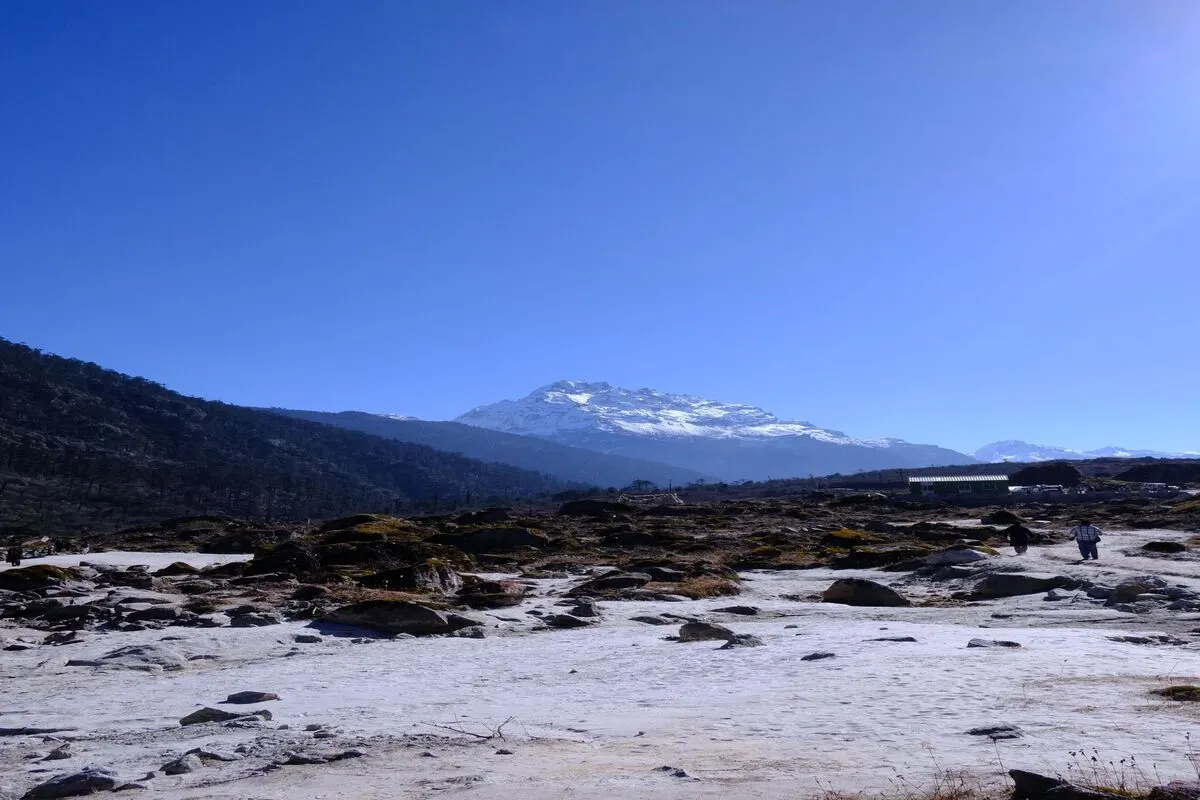
North Sikkim is one of the most spectacular high-altitude regions of Sikkim, known for snow-covered mountains, alpine valleys, high-altitude lakes, waterfalls, winding mountain roads and peaceful Himalayan villages. However, the weather in North Sikkim can change considerably with altitude and season. Temperature, snowfall, rainfall, road conditions and visibility can all affect your travel experience.
If you are planning a trip from Kolkata, understanding the North Sikkim weather in 2026 can help you choose the right season, prepare suitable clothing and plan your sightseeing more comfortably. From the relatively pleasant weather of spring to the snow-covered landscapes of winter, every season creates a different experience in Lachen, Lachung, Yumthang Valley and the Gurudongmar Lake region.
For travellers looking for a complete travel plan, the North Sikkim Tour Package from Kolkata – 5 Nights 6 Days is designed around the popular Gangtok–Lachen–Gurudongmar–Lachung route, subject to prevailing travel and permit conditions.
This guide explains the weather of North Sikkim month by month and season by season, along with temperature, snowfall, rainfall, road conditions, visibility and what to expect during different times of the year.
North Sikkim Weather at a Glance
North Sikkim has a highly varied climate because the region rises from relatively lower valleys to extremely high Himalayan terrain. The weather in Gangtok cannot be used as a direct indication of conditions in Lachen, Lachung or Gurudongmar.
The Government of Sikkim notes that the state has climates ranging from subtropical areas to snow-bound alpine and tundra environments. Higher northern areas remain considerably colder, particularly during winter.

Here is a general overview of what travellers can expect:
| Season | Approximate Weather | Snowfall Possibility | Travel Experience |
| March–April | Cold to cool, gradually warming | Possible at higher elevations | Snow and spring landscapes |
| May–June | Cool and comparatively pleasant | Usually limited at lower tourist areas | Green valleys and better sightseeing |
| July–September | Cool, wet and cloudy | Generally unlikely at lower elevations | Rain, mist and changing road conditions |
| October–November | Cold, crisp and clearer | Possible at high elevations later in the season | Excellent mountain visibility |
| December–February | Very cold, especially at high altitude | High in suitable areas | Winter and snow experience |
These are broad seasonal patterns rather than fixed temperature guarantees. Conditions can vary from one year to another, particularly in high-altitude areas.
Seasonal Temperature Patterns
The biggest factor affecting North Sikkim weather is altitude. Lachen and Lachung are much colder than Gangtok, while Gurudongmar Lake is located at an exceptionally high elevation and can experience severe cold.
Because of this, travellers should not rely on a single temperature range for the entire region.
Spring Weather in North Sikkim: March to April
March and April mark the transition from winter towards spring. Higher areas can still remain very cold, and snow may continue to be present around high-altitude destinations.
During this period, lower sections of the North Sikkim route gradually become more comfortable, while high-altitude locations can continue to experience freezing conditions, especially early in the morning.
If you are travelling during spring, carry layered clothing rather than depending on a single heavy jacket. Daytime conditions can feel more comfortable when the sun is out, but temperatures can drop quickly after sunset.
This is also a useful period for travellers who want to experience a combination of lingering snow and changing Himalayan landscapes.

Summer Weather in North Sikkim: May to June
May and June are generally cooler than the summer conditions experienced in India’s plains. The valleys become greener and the landscape around Lachung and Yumthang becomes particularly attractive.
Rain can begin affecting Sikkim during this period, but conditions are not necessarily rainy throughout the day. Clear intervals can still provide beautiful mountain views.
For travellers who prefer greenery, waterfalls and comparatively comfortable daytime sightseeing, late spring and early summer can be an interesting time to explore North Sikkim.
Before travelling, however, it is sensible to check the latest road and permit situation because weather conditions can influence mountain travel.
Monsoon Weather in North Sikkim: July to September
Monsoon is one of the most changeable periods for travelling in Sikkim. Rainfall, cloud cover, mist and reduced visibility can affect mountain roads and sightseeing.
The Government of Sikkim notes that rainfall is heavy and widespread from around May to early October, while the northern areas also experience significant rainfall during the monsoon period.
The weather can change quickly in the mountains. A morning may begin with reasonable visibility and later become cloudy or rainy.
For this reason, travellers visiting North Sikkim during the monsoon should keep their itinerary flexible and allow extra travel time. Road conditions can also change after heavy rain.

Autumn Weather in North Sikkim: October to November
October and November generally bring colder and clearer conditions after the monsoon period. This is when many travellers look forward to clearer Himalayan views and crisp mountain air.
The Government of Sikkim identifies October to mid-December as a period associated with crisp, clear Himalayan views.
At the same time, temperatures begin dropping significantly, especially at night and at higher elevations. If you are travelling to Lachen, Lachung or Gurudongmar, warm clothing becomes increasingly important.
For photographers and travellers who want mountain views without the heavier monsoon cloud cover, autumn can offer favourable conditions, although weather can never be guaranteed in the Himalayas.

Winter Weather in North Sikkim: December to February
Winter brings some of the coldest conditions of the year to North Sikkim. Higher areas can experience sub-zero temperatures, and snowfall can transform the landscape into a completely different Himalayan setting.
According to Sikkim Tourism, the northern tundra areas can remain snowbound for several months, with night temperatures routinely falling below freezing in such areas.
Winter travel therefore requires careful preparation. Warm layers, gloves, socks, suitable shoes and protection from cold wind are important.
Snowfall is also not guaranteed at exactly the same time every year. A traveller hoping to see snow should understand that snowfall depends on actual weather conditions rather than simply the calendar month.

Month-by-Month Travel Conditions
Planning your trip around a particular month? The following overview can help you understand the general weather pattern.
North Sikkim Weather in January
January is among the coldest months. High-altitude destinations can experience freezing conditions and significant snow.
Lachen, Lachung and routes towards higher destinations can feel extremely cold, particularly during early mornings and evenings. Travellers should be prepared for winter conditions and possible changes to road accessibility.
North Sikkim Weather in February
February remains cold, with winter conditions continuing across higher areas. Snow can still be present, especially around high-altitude destinations.
The landscape can look spectacular during clear weather, but travellers should be prepared for cold temperatures and changing mountain conditions.
North Sikkim Weather in March
March is a transition month. Lower areas gradually become more comfortable, while higher areas can remain very cold.
Snow may still be seen in suitable high-altitude locations, making March interesting for travellers looking for a mixture of winter scenery and the beginning of spring.
North Sikkim Weather in April
April generally brings milder conditions compared with the peak winter months. However, temperatures remain low in Lachen, Lachung and especially at high-altitude sightseeing points.
Weather can be pleasant during sunny periods but noticeably colder in the morning and evening.
North Sikkim Weather in May
May usually brings greener landscapes and comparatively comfortable conditions in the valleys. It is a good period to enjoy the scenery around Lachung and Yumthang.
Rainfall can begin increasing, so travellers should still carry a rain jacket and keep some flexibility in their plans.
North Sikkim Weather in June
June is generally cool, green and increasingly influenced by monsoon weather. Clouds and rain can appear, but clear periods are still possible.
If your main priority is greenery rather than guaranteed snow, June can provide a very different North Sikkim experience.
North Sikkim Weather in July
July falls within the wetter part of the year. Rain and cloud cover can affect visibility and road conditions.
Travellers should check the latest local weather and road updates before starting journeys towards higher areas.
North Sikkim Weather in August
August can remain wet and cloudy. Mountain roads may become more challenging after periods of heavy rainfall.
This is a season when flexibility is particularly important because travel times and sightseeing conditions can change according to weather.
North Sikkim Weather in September
September can still receive rainfall, particularly during the earlier part of the month, while conditions may gradually become more stable towards the end.
The exact weather varies from year to year, so checking the latest forecast before departure is important.
North Sikkim Weather in October
October generally marks a shift towards clearer autumn weather. Mountain visibility can improve after the monsoon, although occasional rain or cloud cannot be ruled out.
Temperatures begin dropping, particularly at night.
North Sikkim Weather in November
November is colder than October, with crisp air and increasingly winter-like conditions at higher elevations.
Travellers should pack warmer layers, especially if Gurudongmar Lake is included in the itinerary.
North Sikkim Weather in December
December brings winter conditions to North Sikkim. Temperatures can fall below freezing at high elevations, and snowfall may occur in suitable areas.
Actual accessibility depends on current weather and local travel regulations, so winter travel should always be planned with the latest information.
Conditions at Higher Altitudes
North Sikkim’s major destinations do not have identical weather conditions.
Lachen is a high-altitude mountain settlement and can become very cold during winter. Lachung also experiences cold weather, while the route towards Gurudongmar Lake reaches much higher elevations and can be considerably colder.

The India Meteorological Department maintains weather observations for Lachung and other locations in North Sikkim. For example, an IMD forecast issued on 19 September 2026 showed Lachung temperatures around 8–13°C with generally cloudy skies and moderate rain, demonstrating how cool and wet conditions can occur even in September.
Gurudongmar Lake requires additional preparation because of its very high elevation. An IMD-published study specifically examining winter temperatures around the Gurudongmar region highlights the area’s extreme high-altitude environment and winter cold.
Therefore, travellers should dress according to the coldest and highest point of their route rather than only the weather in Gangtok.
Snowfall Across the Region
Yes, North Sikkim receives snowfall in suitable high-altitude areas, particularly during the colder months. However, snowfall should not be treated as a guaranteed daily event.
The Government of Sikkim describes the northern high-altitude areas as among the state’s snowiest regions and notes that snow can remain in many places until the end of March.
Snowfall can vary according to altitude, temperature and the specific weather system affecting the region.
If seeing snow is your main reason for visiting, remember that fresh snowfall and existing snow on the ground are two different experiences. You may find snow even when it is not actively snowing, while a particular winter trip may not coincide with fresh snowfall.
For a wider overview of attractions where snow, lakes, valleys and mountain scenery come together, you can also explore our guide to Places to Visit in North Sikkim.
Mountain Roads and Travel Conditions
Weather plays an important role in mountain travel. Rainfall can make roads slippery, while heavy rain can sometimes lead to temporary travel disruptions. Snow and freezing temperatures can also affect high-altitude routes during winter.
This is particularly important because North Sikkim involves long mountain drives rather than short city transfers.
Travellers should avoid planning every journey around a very tight schedule. Keeping some buffer time can make the trip more comfortable when weather or road conditions cause delays.
If you are travelling from Kolkata, remember that the journey involves reaching Sikkim first and then continuing towards North Sikkim by road. For the complete transport options and route planning, read How to Reach North Sikkim from Kolkata.
Best Time to Visit North Sikkim According to Weather
There is no single perfect month for every traveller because the ideal season depends on what you want to experience.
If your priority is clearer Himalayan views, autumn can be attractive. If you want greener valleys and comparatively comfortable conditions, late spring and early summer can be considered. If snow is your main interest, winter and the transition into early spring may provide opportunities in suitable high-altitude areas.
The official Sikkim Tourism website also highlights spring and autumn as notable travel windows, while explaining that each season offers a different experience.
For a more detailed seasonal comparison, including what to expect in different months, read Best Time to Visit North Sikkim before finalising your travel dates.
What to Pack for North Sikkim Weather
Packing for North Sikkim should be based on altitude and season rather than simply the month.

Essential Clothing
Carry warm layers even if you are travelling during a relatively mild season. A thermal inner layer, fleece or sweater and a warm outer jacket can be useful.
During colder months, add gloves, warm socks, a woollen cap and other winter essentials.
Rain Protection
A compact rain jacket or waterproof outer layer is useful, particularly during the wetter months.
A waterproof cover for your backpack can also help protect electronics, documents and other belongings from unexpected rain.
Footwear
Comfortable shoes with a good grip are useful for mountain travel. Snowy or wet conditions can make ordinary footwear uncomfortable.
Avoid packing only lightweight city footwear if your itinerary includes high-altitude sightseeing.
Sun and Cold Protection
Cold mountain weather does not mean the sun is weak. Sunglasses and sunscreen can still be useful, particularly at higher elevations.
A reusable water bottle is also practical during long road journeys.
Is North Sikkim Weather Suitable for Families and Couples?
North Sikkim can be visited by families, couples and groups, but the high-altitude environment means travellers should be prepared for cold, long road journeys and changing weather.
Families travelling with children should plan realistic sightseeing schedules and avoid rushing between destinations.
Couples and groups can enjoy the dramatic scenery, peaceful villages and mountain roads, but should also keep sufficient time for rest.
The weather is one reason a well-planned itinerary is important. For travellers considering the same route as a structured trip, the North Sikkim Tour Package from Kolkata – 5 Nights 6 Days follows a route covering Gangtok, Lachen, Gurudongmar, Lachung and the return to Gangtok, subject to prevailing permit and travel conditions.
North Sikkim Weather and the 5 Nights 6 Days Route
Weather becomes particularly relevant when planning a multi-day North Sikkim journey because each day can involve a different altitude and environment.
A typical route begins with arrival in Gangtok, followed by the journey towards Lachen. The next stage generally involves an early journey towards Gurudongmar Lake before continuing towards Lachung.
The following day focuses on the Lachung and Yumthang Valley area, after which travellers return towards Gangtok before departure.
For the complete day-by-day structure, sightseeing flow and overnight arrangements, see North Sikkim 5 Nights 6 Days Itinerary.
Understanding the weather alongside the itinerary helps you prepare for early starts, cold mornings and changing road conditions rather than treating every day as if it has the same climate.
North Sikkim Weather and Travel Cost
Weather can also indirectly affect the overall travel experience and planning. Seasonal demand, accommodation availability and transportation arrangements can vary throughout the year.
However, weather itself does not mean that a particular season will always have a fixed tour price. Rates can change depending on travel dates, group size, accommodation, vehicle arrangements and other inclusions.
If you are planning a trip from Kolkata, check the updated North Sikkim Tour Cost from Kolkata 2026 to understand the major cost factors before making a booking decision.
It is also important to compare what is actually included in a package rather than looking only at the starting price.
Is North Sikkim Safe to Visit During Bad Weather?
Mountain weather can change quickly, so travellers should always follow local instructions when conditions become unsuitable.
Heavy rain, snowfall, poor visibility or road disruption can affect travel plans. In such situations, the safest approach is to follow the advice of local authorities, drivers and authorised travel operators rather than attempting to continue independently.
North Sikkim also has protected-area travel requirements. The Sikkim Tourism authorities state that destinations along the Lachen–Lachung–Yumthang–Thangu Valley route require Protected Area Permits, with registered travel agencies involved in the permit process.
Permit rules and local travel conditions can change, so travellers should verify the latest requirements before departure.
Frequently Asked Questions About North Sikkim Weather
What is the weather like in North Sikkim?
North Sikkim is generally cool to extremely cold depending on altitude and season. Lower valleys are comparatively milder, while Lachen, Lachung and especially high-altitude destinations such as Gurudongmar Lake can be very cold.
Which month is coldest in North Sikkim?
December, January and February are generally among the coldest months, particularly at high elevations. Freezing conditions and snowfall are possible in suitable areas.
Does North Sikkim get snowfall in December?
Snowfall is possible in December, particularly at higher elevations, but the timing and amount vary from year to year. Existing snow on the ground may remain even when fresh snowfall is not occurring.
Does it snow in North Sikkim in March?
Snow can still be present in high-altitude areas during March. The amount of fresh snowfall varies according to weather conditions and altitude.
Is North Sikkim rainy in July and August?
July and August fall within the wetter part of the year. Rain, clouds and reduced visibility can occur, and mountain road conditions may be affected after heavy rainfall.
What is the weather like in Lachung?
Lachung generally has cool to cold mountain weather. Conditions become considerably colder during winter, while monsoon months can bring rain and cloud cover. Actual temperatures vary by date and year.
Is Gurudongmar Lake colder than Lachung?
Gurudongmar Lake is located at a much higher altitude than Lachung, so conditions there can be considerably colder, especially during early morning visits and winter.
What clothes should I carry for North Sikkim?
Carry layered warm clothing throughout the year. During colder months, include thermals, a warm jacket, gloves, woollen socks and a cap. A rain jacket is useful during wetter months.
Can weather affect the North Sikkim itinerary?
Yes. Rain, snowfall, cloud cover, road conditions and visibility can sometimes affect travel times or sightseeing. It is therefore useful to keep some flexibility in a North Sikkim itinerary.
Which season is best for North Sikkim weather?
The answer depends on your travel preference. Spring and early summer offer greener landscapes, autumn can provide clearer mountain views, and winter offers the possibility of snow and a colder Himalayan experience.
Final Thoughts
North Sikkim is a destination where weather plays an important role in shaping the overall travel experience. From the cold, snow-covered landscapes of winter to the green valleys and changing mountain scenery of warmer months, each season brings a different side of the region.
Before planning your trip, consider the temperature, snowfall possibility, rainfall, road conditions and visibility for your chosen travel period. Pack according to the altitude rather than relying only on the weather in Gangtok, and keep some flexibility in your itinerary for changing Himalayan conditions.
With the right preparation and realistic expectations, you can enjoy North Sikkim’s dramatic mountains, peaceful valleys, high-altitude lakes and scenic roads more comfortably throughout the year.
Plan Your North Sikkim Journey with JT Tourism
Ready to experience the breathtaking landscapes of North Sikkim? Whether you are looking forward to snow-covered mountains, Gurudongmar Lake, Yumthang Valley, peaceful Himalayan villages or the scenic mountain roads of Lachen and Lachung, choosing the right itinerary can make your journey more comfortable and organised.
For a well-planned journey from Kolkata, explore our North Sikkim Tour Package from Kolkata – 5 Nights 6 Days and discover a thoughtfully arranged route covering the major highlights of this spectacular Himalayan region.
Plan your North Sikkim holiday with JT Tourism and get in touch with our travel team for trip details, availability and booking assistance.
Ready to Plan Your North Sikkim Trip?
Have questions about the itinerary, travel dates, availability or package details? Our team is happy to help you plan your North Sikkim journey with the right travel arrangements.