
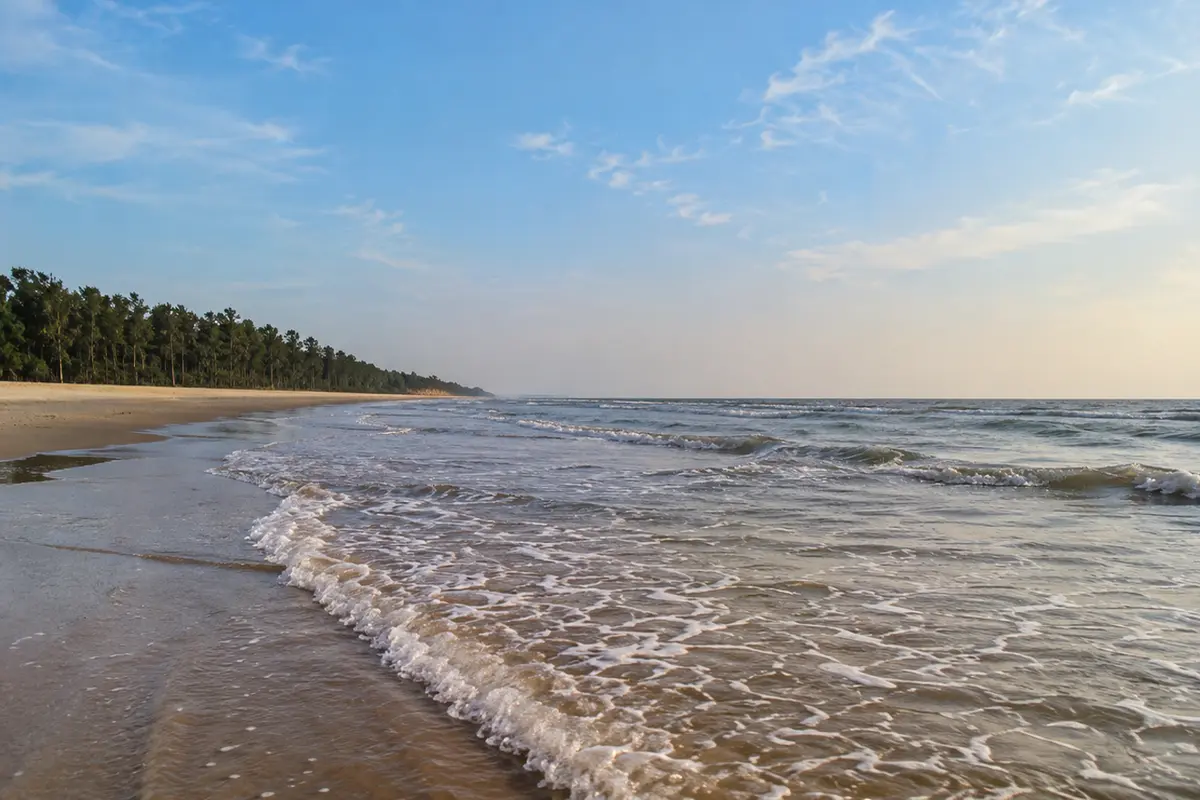
Gangasagar Weather is an important factor to consider when planning a visit to Gangasagar, situated on Sagar Island in the South 24 Parganas district of West Bengal. It is one of the most important pilgrimage destinations in eastern India. Every year, thousands of devotees and travellers visit this sacred coastal destination to take a holy dip at the confluence of the River Ganga and the Bay of Bengal and seek blessings at the famous Kapil Muni Temple.
However, before planning a trip, understanding the local weather is important. Since Gangasagar is located near the Bay of Bengal, its climate is influenced by coastal humidity, seasonal rainfall, sea winds and changing weather conditions. The temperature, rainfall and overall travel experience can vary considerably throughout the year.
Generally, November to February is considered the most comfortable period to visit Gangasagar. Winter offers relatively pleasant temperatures and favourable conditions for sightseeing and pilgrimage. January is especially important because of the annual Gangasagar Mela, while the summer months can be hot and humid. During the monsoon, heavy rainfall and adverse coastal weather may sometimes affect road journeys and ferry operations.
If you are planning a pilgrimage or family trip from Kolkata, checking the weather in advance will help you select suitable travel dates, arrange transportation and prepare for the journey. You can also explore our Gangasagar Tour Package from Kolkata to understand the available travel arrangements and plan your visit more comfortably.
In this detailed Gangasagar weather guide, we will cover seasonal conditions, month-wise weather, temperature variations, rainfall, winter and monsoon travel, and the best time to visit Gangasagar in 2026–2027.
Overview of Gangasagar Weather Throughout the Year
Gangasagar experiences a tropical coastal climate, with three broad seasonal patterns: winter, summer and monsoon. Unlike inland destinations, the island experiences considerable humidity because of its proximity to the Bay of Bengal and surrounding waterways.
Winter is comparatively mild and comfortable, summer brings rising temperatures and humidity, and monsoon is characterised by frequent rainfall and changing coastal conditions.
The following seasonal overview will help you understand what to expect before planning your journey.

Gangasagar Weather in Winter – November to February
Winter is generally the most comfortable season in Gangasagar. Temperatures become milder, humidity is comparatively lower and the weather is usually suitable for outdoor activities.
During this period, pilgrims can comfortably visit Kapil Muni Temple, explore the beach area and participate in religious activities. Early mornings and evenings can feel cooler because of coastal winds, although daytime conditions are generally pleasant.
January is particularly significant because of Makar Sankranti and the Gangasagar Mela. The island experiences a massive increase in visitors during this period, so transportation, accommodation and local movement may become more challenging.
For a peaceful pilgrimage, November, December and February are generally preferable. January is more suitable for travellers whose main purpose is to attend the Mela.
Gangasagar Weather in Summer – March to May
Summer gradually increases the temperature and humidity in Gangasagar. March is usually more manageable, but April and May can become considerably hotter.
Because the destination has an open coastal landscape, visitors may experience strong sunlight during the daytime. Walking around the beach, waiting at ferry points and visiting the temple during afternoon hours can become uncomfortable.
Pre-monsoon thunderstorms and changing weather conditions may also occur towards the end of summer.
Travellers visiting during this season should carry drinking water, sunscreen, sunglasses and light cotton clothing. Early morning sightseeing is generally more comfortable than afternoon outings.
Gangasagar Weather During Monsoon – June to September
The monsoon brings substantial rainfall to Gangasagar and surrounding coastal areas. The atmosphere becomes humid, and cloudy skies and frequent showers are common.
Since reaching Gangasagar involves a ferry crossing, weather conditions are particularly important during this season. Heavy rain, strong winds, rough river conditions or official safety restrictions may affect ferry operations.
Road conditions can also become difficult during periods of persistent rainfall, and some low-lying areas may experience waterlogging.
Although the island remains accessible during suitable weather conditions, the monsoon is generally not the preferred season for a relaxed family pilgrimage. Travellers should check local transport updates and weather advisories before departure.
Gangasagar Weather Month by Month – January to December
Understanding the weather month by month can help you choose the right travel period according to your requirements. Some visitors prefer cool winter conditions, while others plan their journey around Makar Sankranti or want to avoid heavy rainfall.
The following table provides a practical seasonal comparison. Temperature descriptions are indicative rather than guaranteed daily readings; actual conditions vary from year to year.
| Month | General Weather | Travel Suitability |
| January | Cool and pleasant | Excellent, but crowded during Mela |
| February | Mild and comfortable | Excellent |
| March | Warm and relatively dry | Good |
| April | Hot and humid | Moderate |
| May | Very hot and humid | Less comfortable |
| June | Humid with increasing rainfall | Weather-dependent |
| July | Rainy and humid | Less suitable |
| August | Heavy monsoon conditions | Less suitable |
| September | Rainfall gradually varies | Weather-dependent |
| October | Transitional weather | Improving |
| November | Pleasant and comparatively dry | Excellent |
| December | Cool and comfortable | Excellent |
These are broad travel-planning indications, not a live forecast. The West Bengal government’s climate information also describes winter as a comparatively dry and mild season, while coastal weather disturbances can occur during the transition around the retreating monsoon.
January – Cool Weather and Gangasagar Mela
January is one of the most important months for visiting Gangasagar. The weather is generally pleasant, with cooler mornings and evenings.
The biggest attraction during this month is the Gangasagar Mela, organised around Makar Sankranti. Devotees from different parts of India arrive to take the holy dip and offer prayers.
However, the enormous crowd can affect accommodation availability, transportation and ferry waiting times. If you are planning to attend the festival, make your arrangements in advance.
February – Pleasant Weather for a Peaceful Visit
February is an excellent month for visiting Gangasagar without the main Mela rush.
The temperature is generally comfortable, and outdoor sightseeing becomes easier. Families, couples and senior citizens can consider this month for a relaxed pilgrimage.
It is also a good time to explore the beach and temple area without dealing with the extreme summer heat.
March – Beginning of the Warmer Season
March marks the gradual transition towards summer. The temperature starts increasing, but the weather is often manageable during the morning and evening.
Visitors planning a short pilgrimage can consider this month, particularly if they prefer travelling outside the winter peak season.
Try to complete temple visits and beach activities earlier in the day.
April – Hot and Humid Conditions
April generally brings warmer weather to Gangasagar. Humidity increases, and direct sunlight can make afternoon activities uncomfortable.
If you are visiting during this month, carry adequate drinking water and wear breathable clothing.
Families travelling with elderly members should avoid unnecessary outdoor movement during the hottest hours.

May – Peak Summer and Pre-Monsoon Weather
May is generally one of the hottest periods of the year. High temperatures, humidity and occasional pre-monsoon thunderstorms can influence the travel experience.
Cyclonic weather disturbances are also an important consideration in the Bay of Bengal region during the pre-monsoon season.
Travellers should monitor official weather advisories before departure and avoid depending on tightly scheduled transport connections.
June – Beginning of the Monsoon
June marks the beginning of the monsoon period. Rainfall becomes more frequent, and humidity remains high.
Ferry crossings may require additional attention because of changing weather and river conditions. Visitors should confirm transport availability before starting their journey.

July – Heavy Rainfall and Humidity
July is generally one of the wetter months in the region. Frequent rainfall can make outdoor activities less convenient.
Travellers may face wet roads, waterlogging in some locations and possible transport delays during adverse weather.
It is better to avoid planning a tightly scheduled Gangasagar trip during this period.
August – Continued Monsoon Conditions
August generally remains rainy and humid. Cloudy weather and persistent showers may affect sightseeing and outdoor movement.
If your visit is essential, keep your itinerary flexible and check the latest ferry and weather updates.
September – Gradual Seasonal Transition
September is a transitional month when monsoon conditions may gradually begin to change. However, rainfall can still occur, and weather conditions are not always predictable.
It is advisable to check the forecast before choosing your travel dates.
October – Weather Gradually Improves
October marks the transition towards the more comfortable winter travel season.
Rainfall generally starts reducing as the monsoon withdraws, although occasional showers and coastal weather disturbances may still occur.
The latter part of October can be suitable for travel depending on actual conditions.
November – One of the Best Months to Visit
November generally offers comfortable weather, comparatively lower humidity and better conditions for sightseeing.
It is a good month for families and pilgrims who want to explore Gangasagar without experiencing the heavy Mela crowds.
December – Comfortable Winter Weather
December is another excellent month for visiting Gangasagar. The weather is generally cool and pleasant, making it suitable for temple visits, beach walks and family outings.
Travellers who want to experience Gangasagar during winter but avoid the main January festival rush can consider December.
What Is the Best Time to Visit Gangasagar?
The best time to visit Gangasagar depends on your travel purpose, weather preferences and the type of experience you want. While the island welcomes pilgrims throughout the year, the winter months offer the most comfortable conditions for travelling.
For most visitors, November to February is the preferred travel window. However, January is different from the other winter months because of the annual Gangasagar Mela.
Here is how you can select your travel dates according to your preferences:
- For pleasant weather: November to February.
- For a peaceful family trip: November, December or February.
- For senior citizens: December or February, preferably outside the Mela period.
- For Gangasagar Mela: January, around Makar Sankranti.
- For a short pilgrimage: November to March.
- For avoiding heavy rainfall: Prefer the winter months rather than the main monsoon period.
If you want to understand the seasonal differences in greater detail, read our guide on Best Time to Visit Gangasagar, which explains the ideal travel season, festival period and month-wise travel considerations.
Is Winter Better Than Summer for Gangasagar?
Yes, winter is generally more comfortable than summer for visiting Gangasagar.
During winter, pilgrims can explore the temple and beach without experiencing the intense heat and humidity associated with April and May. The relatively pleasant weather also makes it easier for families and older visitors to spend time outdoors.
Summer travel is possible, but visitors should plan their activities around the cooler morning and evening hours.
Is Gangasagar Worth Visiting During the Monsoon?
Gangasagar can still be visited during the monsoon when weather and transport conditions permit. However, it is not the most convenient period for a typical family pilgrimage.
Heavy rainfall, strong winds and rough river conditions can affect ferry operations. Outdoor sightseeing may also become difficult.
If you have flexibility in your travel schedule, postponing your visit until October or November is generally a better option.
Gangasagar Weather During Gangasagar Mela 2027
Gangasagar Mela is one of the most significant annual religious gatherings in West Bengal. It takes place around Makar Sankranti in January and attracts pilgrims from different states of India.
The weather during this period is generally cool and comparatively comfortable. However, early mornings and late evenings can feel chilly because of coastal winds.

During the festival, visitors participate in religious rituals, take a holy dip at the Gangasagar Sangam and visit Kapil Muni Temple. The combination of winter weather and religious celebrations makes January the busiest travel period on the island.
However, the Mela experience requires additional planning because of the large number of visitors.
Some important things to consider include:
- Accommodation should be arranged well in advance.
- Allow additional time for road journeys and ferry transfers.
- Follow official instructions regarding bathing areas and crowd movement.
- Carry warm clothing for early mornings and nights.
- Keep essential medicines and personal belongings with you.
- Follow the instructions of local authorities and emergency personnel.
The exact bathing schedule, official arrangements and festival-related transport information should be checked through government announcements closer to the event.
For complete information about the festival, including its religious importance, travel arrangements, crowd management and preparation tips, read our Gangasagar Mela Guide 2027.
What Is the Weather Like During the Makar Sankranti Holy Dip?
The weather is generally cool during the Makar Sankranti period. The early morning hours can feel particularly cold near the beach because of the coastal breeze.
Pilgrims planning the holy dip should carry dry clothes, towels and warm garments for after bathing. Elderly visitors and people with mobility difficulties should follow safety instructions and avoid entering the water in unsafe conditions.
It is also important to remember that water and weather conditions can change. Always follow local authorities’ instructions at the bathing ghats.
How Does Gangasagar Weather Affect Ferry Services?
Ferry transportation is an important part of the Gangasagar journey. Visitors travelling from Kolkata generally reach Harwood Point (Lot No. 8) or another designated transport point and cross the Muriganga River towards Kachuberia on Sagar Island.

Since the journey involves crossing a tidal river, weather conditions can influence the ferry experience.
During winter and comparatively calm weather, ferry journeys are generally more convenient. However, during the monsoon or periods of strong winds and adverse weather, services may experience delays, changes or temporary suspension for safety reasons.
The actual operating schedule can also depend on tidal conditions, local administration and transport arrangements.
Here are some important weather-related considerations for ferry travel:
- Heavy rainfall may affect visibility and passenger movement.
- Strong winds can create difficult river conditions.
- Adverse weather may lead to temporary ferry restrictions.
- Tidal variations can influence departure arrangements.
- Festival crowds can increase waiting times even when the weather is favourable.
Therefore, travellers should never assume that ferry services will operate at exactly the same time every day throughout the year.
Why Should You Check Ferry Timings Before Travelling?
Checking ferry timings is important because the road journey and river crossing need to be planned together.
A delay at the ferry point can affect your temple visit, beach visit and return journey. This becomes particularly important for visitors planning a one-day Gangasagar trip from Kolkata.
Before departure, confirm the latest operating information from the relevant ferry authorities or local administration.
For a more detailed explanation of departure schedules, tidal considerations and ferry travel planning, refer to our Gangasagar Ferry Timings guide.
Can Heavy Rain or Cyclones Affect the Gangasagar Journey?
Yes. Gangasagar’s coastal location means that severe weather systems over the Bay of Bengal can influence local travel conditions.
Heavy rainfall, strong winds and cyclonic disturbances may affect ferry movement, road transportation and outdoor activities.
Cyclone-related warnings should always be taken seriously. If authorities advise against ferry travel or visiting coastal areas, follow those instructions rather than continuing with your original itinerary.
You can also monitor official weather updates from the India Meteorological Department before travelling.
How to Plan a Gangasagar Trip According to Weather Conditions
Choosing the right season is only one part of planning a comfortable Gangasagar trip. You should also consider the ferry crossing, road journey, sightseeing schedule and accommodation requirements.

For travellers starting from Kolkata, the overall journey usually involves road transportation, a ferry crossing and local transportation on Sagar Island.
If you are visiting during winter, you can generally plan your sightseeing more comfortably. During summer, it is better to start early and avoid prolonged exposure to direct sunlight. During monsoon, additional travel time and flexible arrangements become important.
If you are planning the journey for the first time, our How to Reach Gangasagar from Kolkata guide explains the available travel routes and transportation options, including the road and ferry connections.
You can consider the following suggestions according to the season:
During winter:
- Start early to make the most of the pleasant weather.
- Carry light woollen clothing for mornings and evenings.
- Book accommodation in advance during the festival season.
During summer:
- Prefer early morning temple visits.
- Carry sufficient drinking water.
- Wear light cotton clothes and sun protection.
- Avoid unnecessary outdoor movement during peak afternoon heat.
During monsoon:
- Check weather alerts before departure.
- Confirm ferry operations.
- Carry rain protection and waterproof bags.
- Keep some flexibility in your return schedule.
Is a One-Day Gangasagar Trip Possible in Different Seasons?
A one-day Gangasagar trip from Kolkata is possible, but the level of convenience depends on weather, ferry schedules, traffic and crowd conditions.
During winter, the weather is generally favourable for a day trip. However, January Mela dates can be challenging because of heavy crowds and longer waiting times.
During summer, early departures are advisable because afternoon heat can make the journey tiring.
During monsoon, a one-day trip requires extra caution. Ferry disruptions or road delays may make it difficult to return according to a fixed schedule.
For visitors who prefer a more relaxed experience, an overnight stay is worth considering.
Should You Choose an Overnight Gangasagar Trip?
An overnight trip can be a better option if you want to avoid rushing through the journey.
It allows you to divide the sightseeing activities across two days, spend more time at the pilgrimage area and manage your travel schedule more comfortably.
This arrangement can be particularly helpful for families, elderly travellers and people who want to explore Gangasagar at a relaxed pace.
You can read our Gangasagar Itinerary (1 Night 2 Days) for a practical day-wise travel plan covering transportation, temple visits, beach time and overnight arrangements.
What to Pack According to Gangasagar Weather
Packing according to the season can make your journey more comfortable. Since Gangasagar experiences different weather conditions throughout the year, your travel essentials should change depending on your departure month.
A winter visit requires light warm clothing, while summer travel requires sun protection. Monsoon travellers should carry rain protection and waterproof storage for their belongings.
The following checklist will help you prepare for your trip.
| Season | Essential Items |
| Winter | Light sweaters, shawls, comfortable shoes |
| Summer | Cotton clothes, sunglasses, sunscreen, water bottle |
| Monsoon | Umbrella, raincoat, waterproof bags, extra clothes |
| Gangasagar Mela | Warm clothes, personal medicines, dry clothes, comfortable footwear |
A few additional items are useful throughout the year:
- Personal identification documents.
- Mobile phone and power bank.
- Basic first-aid supplies.
- Regular prescription medicines, if required.
- Hand sanitiser and tissues.
- Small cash for local expenses.
- Comfortable footwear suitable for walking.
- A reusable water bottle.
What Clothes Should You Wear in Winter?
During winter, comfortable cotton clothing with an additional sweater or light jacket is generally sufficient for daytime travel.
However, early mornings and late evenings can feel colder near the beach. If you are visiting during January, carrying a shawl or windcheater is advisable.
Pilgrims planning to take a holy dip should carry a complete change of clothes and a towel.
What Should You Carry During Summer?
Summer visitors should prioritise sun protection and hydration.
Wear light-coloured cotton clothing, comfortable footwear and sunglasses. Carry sunscreen and sufficient drinking water, particularly if you expect to spend time waiting at ferry points or walking around the temple area.
What Extra Precautions Are Necessary During Monsoon?
During monsoon, keeping your belongings dry is particularly important.
Carry a raincoat or umbrella, waterproof bags for electronic devices and an additional set of clothes. Use footwear with a good grip because wet surfaces can become slippery.
Avoid entering the sea or river during unsafe conditions and follow local instructions.
Gangasagar Weather and Travel Budget – Does the Season Affect Tour Cost?
The weather and travel season can influence the overall cost of a Gangasagar trip. Although transportation and accommodation are the main expenses, demand during particular periods can affect availability and pricing.
January is generally the busiest period because of Gangasagar Mela. Accommodation and transportation arrangements may require advance booking, especially around Makar Sankranti.
During November, December and February, visitors can generally enjoy more flexibility when selecting travel dates. However, weekends, holidays and local demand can also influence costs.
Before finalising your trip, consider these expenses:
- Transportation from Kolkata.
- Ferry tickets and local transfers.
- Accommodation charges for overnight stays.
- Food and refreshments.
- Personal expenses and other optional services.
If you want to estimate your total travel expenses, check our detailed guide on Gangasagar Tour Cost from Kolkata. It will help you understand the major cost factors before booking your journey.
For travellers looking for organised transportation and travel assistance, our Gangasagar Tour Package from Kolkata is another option to explore. Planning the journey in advance can help you coordinate road transportation, ferry transfers and sightseeing according to your preferred travel dates.
Important Weather and Safety Tips Before Visiting Gangasagar
Gangasagar is a coastal pilgrimage destination, so weather awareness is important throughout the year. Even during the generally favourable winter season, visitors should remain attentive to local conditions.
A little preparation can help you avoid unnecessary inconvenience and make your pilgrimage more comfortable.
Consider the following precautions before starting your journey:
- Check the weather forecast: Monitor rainfall, temperature and coastal weather alerts before departure.
- Confirm ferry services: Check the latest ferry operating information, particularly during monsoon and adverse weather.
- Follow tidal and bathing advisories: Always follow the instructions provided at the bathing ghats.
- Carry essential medicines: Keep regular medicines and basic first-aid supplies with you.
- Stay hydrated: Drink sufficient water, especially during the summer months.
- Avoid unsafe beach activities: Do not enter the water during rough conditions or when authorities restrict access.
- Keep travel arrangements flexible: Allow additional time for road journeys and ferry transfers.
- Take care of elderly travellers: Avoid unnecessary walking and long outdoor waits during extreme weather.
Which Official Weather Updates Should You Check?
Before travelling, check the latest weather information from the India Meteorological Department (IMD).
The official IMD website provides weather forecasts, rainfall information, warnings and updates about cyclonic disturbances.
You can also check local administration announcements for ferry operations and safety-related travel restrictions.
Weather conditions near the Bay of Bengal can change, so relying on an old forecast or a general seasonal guide is not sufficient for making last-minute travel decisions.
Frequently Asked Questions About Gangasagar Weather
Here are some common questions travellers ask before planning a Gangasagar pilgrimage.
What Is the Best Month to Visit Gangasagar?
November, December and February are generally the best months to visit Gangasagar because of the pleasant weather and comparatively comfortable conditions for sightseeing. January is also popular because of Gangasagar Mela, but the festival period attracts very large crowds.
Is Gangasagar Cold During December and January?
Gangasagar experiences mild winter weather during December and January. Daytime conditions are generally comfortable, although early mornings and evenings can feel cooler because of coastal winds. Carrying light woollen clothing is advisable.
What Is the Temperature in Gangasagar During Summer?
Gangasagar generally experiences warm to hot conditions during summer, particularly in April and May. Temperature and humidity vary, and afternoon outdoor activities can become uncomfortable. Check the latest forecast before travelling.
Does It Rain Heavily in Gangasagar?
Yes, Gangasagar receives substantial rainfall during the monsoon, generally from June to September. July and August are particularly associated with wet weather. Heavy rainfall can affect outdoor activities and transportation.
Can I Visit Gangasagar During the Rainy Season?
Yes, you can visit when weather and transport conditions permit. However, monsoon travel requires additional planning because heavy rain, strong winds and changing river conditions may affect ferry services.
Is February a Good Time for a Gangasagar Family Trip?
Yes. February is one of the better months for a family pilgrimage. The weather is generally pleasant, and the main Gangasagar Mela rush is usually over, making sightseeing comparatively more comfortable.
Which Month Is Best for Gangasagar Mela 2027?
January 2027 is the relevant period for Gangasagar Mela around Makar Sankranti. The exact bathing schedule and official arrangements should be confirmed through government announcements before travelling.
Does Bad Weather Affect Gangasagar Ferry Services?
Yes. Heavy rainfall, strong winds, rough river conditions and official safety restrictions can affect ferry operations. Always confirm the latest ferry information before starting your journey.
Is Gangasagar Suitable for Senior Citizens During Winter?
Yes. Winter is generally a comfortable season for senior citizens visiting Gangasagar. December and February are particularly worth considering if they prefer avoiding the heavy crowds during the Mela period. Proper arrangements for road travel, ferry transfers and walking are still important.
How Many Days Are Enough to Visit Gangasagar?
One day can be sufficient for a planned pilgrimage from Kolkata. However, a 1 Night 2 Days trip provides more time for sightseeing and relaxation. The choice depends on your travel schedule, weather conditions and the needs of your group.
Is Gangasagar Weather Suitable for Visiting the Beach?
The winter months, particularly November to February, are generally more comfortable for visiting the beach. During summer, avoid prolonged exposure to direct sunlight, and during monsoon, follow local safety instructions regarding beach access and water conditions.
Should I Check the Weather Before Booking a Gangasagar Tour?
Yes. Checking the seasonal forecast before booking and monitoring the latest weather updates a few days before departure is advisable. This is especially important during the monsoon, pre-monsoon cyclone season and Gangasagar Mela period.

Final Thoughts – Choose the Right Season for Your Gangasagar Trip
Understanding Gangasagar weather is an important part of planning a comfortable pilgrimage. Although visitors can travel to this sacred destination throughout the year, the overall experience changes considerably depending on the season.
November to February is generally the most favourable period for visiting Gangasagar. December and February are excellent choices for travellers who prefer pleasant weather and a comparatively peaceful atmosphere. January is particularly important for devotees who want to experience the spiritual significance of Makar Sankranti and the famous Gangasagar Mela.
Summer travel is possible with suitable precautions, while the monsoon requires additional attention because rainfall and adverse coastal conditions can affect ferry services and outdoor activities.
Before finalising your travel dates, consider your family’s requirements, transportation arrangements, ferry schedules and the latest weather forecast.
With proper planning, you can enjoy a comfortable and memorable pilgrimage to Gangasagar from Kolkata.
Plan Your Gangasagar Trip Comfortably with JT Tourism
Planning a Gangasagar trip from Kolkata involves more than just visiting Kapil Muni Temple and taking a holy dip at the sacred confluence. You also need to consider road transportation, ferry transfers, local sightseeing, accommodation (if required) and the overall travel schedule. Proper planning can make the journey smoother, especially when travelling with family, senior citizens or a group of devotees.
Whether you are planning a one-day pilgrimage or a relaxed overnight trip, choosing suitable travel arrangements will help you enjoy your Gangasagar visit without unnecessary travel stress. Explore our Gangasagar Tour Package from Kolkata to know more about the available tour arrangements and plan your journey according to your preferred dates and requirements.
Book Your Gangasagar Tour with JT Tourism
Planning your next pilgrimage to Gangasagar? Let JT Tourism help you organise a convenient journey from Kolkata with suitable transportation and travel assistance.
Contact us to know more about the tour package, travel arrangements and booking details. We will be happy to assist you in planning your Gangasagar trip.