
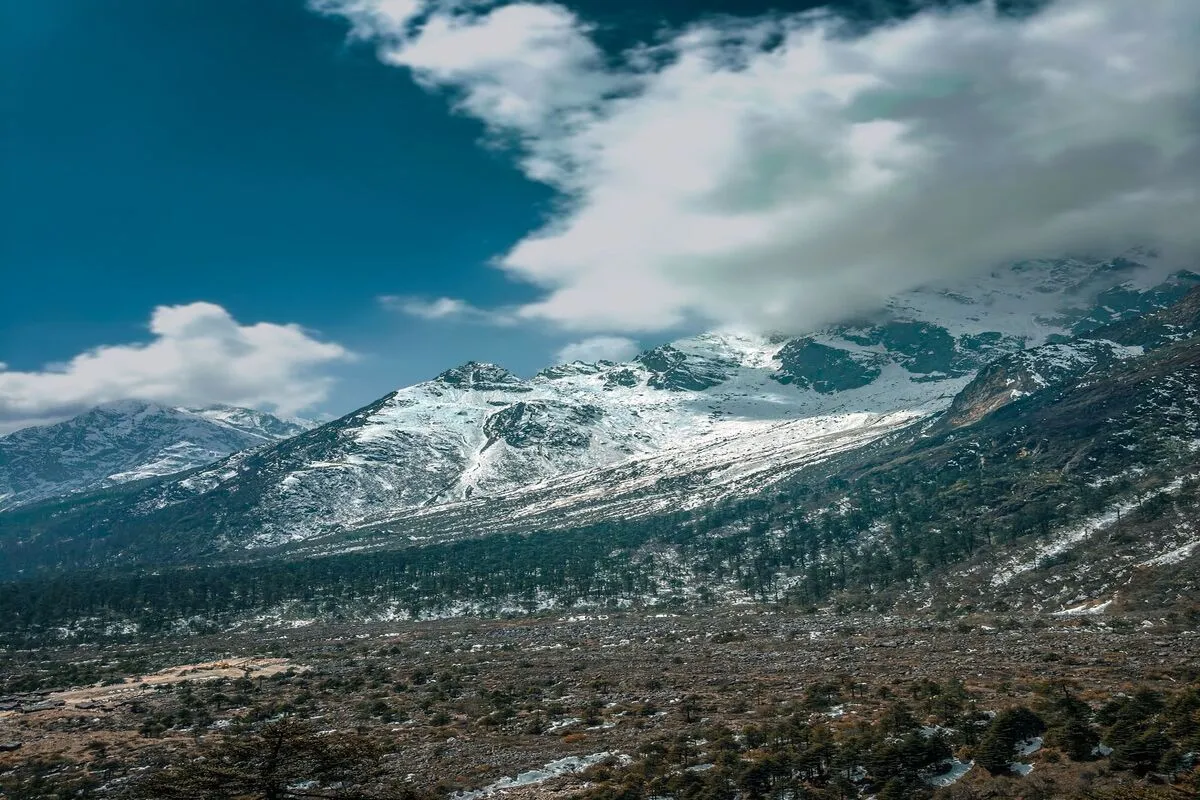
The best time to visit North Sikkim can vary depending on the season, weather conditions and the type of experience you want. North Sikkim is one of the most scenic Himalayan destinations in India, known for snow-covered mountains, alpine valleys, high-altitude lakes, waterfalls, winding mountain roads and peaceful villages. However, the experience can vary greatly depending on the season. Weather, snowfall, road conditions, visibility and accessibility all play an important role when planning a trip to this high-altitude region.
If you are planning a journey from Kolkata, choosing the right season can make your North Sikkim trip much more comfortable and enjoyable. The best time to visit North Sikkim depends largely on what you want to experience—fresh spring landscapes, clear Himalayan views, monsoon greenery, autumn skies or winter snowfall.
For travellers planning a complete holiday, a North Sikkim Tour Package from Kolkata – 5 Nights 6 Days can be a convenient option because the itinerary, transportation and accommodation can be planned around the seasonal conditions.
This guide explains the best months to visit North Sikkim, what each season is like, when to expect snow, which months offer clearer mountain views and which period is more suitable for comfortable sightseeing.
What Is the Best Time to Visit North Sikkim?
The best time to visit North Sikkim is generally during the spring and autumn months, particularly from April to May and October to November. These periods can offer a good balance of pleasant daytime conditions, scenic landscapes and better visibility compared with the wetter monsoon months.
However, there is no single best month for every traveller.
If your priority is snow, winter and the transition into spring can be more attractive, although heavy snowfall can also affect road access. If you prefer clear mountain views and comfortable sightseeing, autumn is often a particularly appealing period. Spring is better suited to travellers who enjoy fresh greenery and seasonal flowers.
Because North Sikkim includes high-altitude destinations such as Lachung, Yumthang Valley and areas around Gurudongmar Lake, weather conditions can change quickly. Travellers should therefore check current road and permit conditions before departure rather than relying only on a general seasonal calendar.
North Sikkim Weather Throughout the Year
North Sikkim experiences considerable seasonal variation because of its mountainous terrain and high elevations. The lower areas around Lachung may feel relatively moderate during the daytime in suitable seasons, while higher destinations can remain extremely cold.
The same journey can therefore feel very different depending on the month.
Winter brings freezing conditions and snow in many high-altitude areas. Spring gradually improves accessibility and brings changes to the landscape. Summer is greener, while the monsoon months can bring rain, cloud cover and difficult road conditions. Autumn generally brings clearer skies and excellent Himalayan scenery.
Before planning your trip, remember that conditions in the mountains can change even within a single day. Warm layers, comfortable shoes and flexibility in the itinerary are important throughout the year.
Best Time to Visit North Sikkim by Season
North Sikkim can be divided into four broad travel seasons: spring, summer, monsoon and autumn-winter. Each offers a different experience.
Understanding these seasons will help you choose the month that matches your travel expectations.
Spring in North Sikkim: March to May
Spring marks the transition from the colder winter period toward more comfortable travel conditions.
During April and May, the landscape begins to look fresher, and travellers can enjoy greener valleys and improving weather conditions. Higher areas can still remain cold, particularly early in the season.
Spring is a good choice if you want a combination of:
- Pleasant daytime conditions
- Fresh mountain landscapes
- Better sightseeing opportunities
- Seasonal flowers
- Less intense winter cold
- Scenic drives through Himalayan valleys
April and May are especially attractive for travellers who do not want extreme winter conditions but still want to experience the dramatic mountain environment.
However, temperatures at high elevations can remain very low, so warm clothing is still necessary.

Summer in North Sikkim: June
June can offer greener landscapes and relatively pleasant conditions in comparison with winter. However, this is also around the beginning of the monsoon period in Sikkim.
Travellers visiting in June should therefore keep some flexibility in their plans. Rain and cloud cover can affect mountain visibility, while road conditions may change depending on local weather.
If you are travelling during this period, it is better to check the latest local weather and road status before heading toward higher destinations.
Is North Sikkim Good to Visit During Monsoon?
North Sikkim can be beautiful during the monsoon because the mountains become lush and green, but this is not usually the easiest season for travel.
The monsoon period can bring frequent rain, cloud cover, reduced visibility and challenging mountain-road conditions. Landslides and temporary road disruptions can also affect travel plans in Himalayan regions.
For travellers whose main goal is clear views of high mountains and easier sightseeing, the monsoon is generally less predictable than spring or autumn.
That does not mean a monsoon trip is impossible. It simply requires greater flexibility and an understanding that the actual itinerary may depend on local weather and road conditions.
If you are planning a North Sikkim trip during this period, avoid creating an overly tight schedule. Keep some buffer time and confirm current travel conditions with your tour operator before departure.

Best Time to Visit North Sikkim for Clear Mountain Views
If your main priority is spectacular Himalayan scenery, October and November are among the most attractive months to consider.
After the monsoon season, the atmosphere can become clearer, giving travellers better opportunities to enjoy mountain landscapes and panoramic views.
Autumn is particularly appealing for:
- Photography
- Mountain sightseeing
- Scenic road journeys
- Valley views
- Sunrise and sunset landscapes
- Travellers who prefer clearer skies
The exact visibility will still depend on daily weather conditions. Mountains are unpredictable, so even during a traditionally favourable season, clouds can occasionally cover the peaks.
Nevertheless, autumn generally offers a more reliable combination of pleasant travel conditions and scenic visibility than the wetter months.

Best Time to Visit North Sikkim for Snowfall
Snow is one of the biggest reasons many travellers want to visit North Sikkim.
The higher-altitude areas can experience heavy snowfall during winter, creating dramatic white landscapes. However, snowfall should not be treated as a guarantee for a particular travel date.
Winter weather can also create difficult road conditions and temporary access restrictions. Therefore, travellers looking specifically for snow should balance their expectations with safety and accessibility.
Late winter and early spring can sometimes provide a combination of lingering snow and improving travel conditions, but actual snowfall varies from year to year.
If snow is your primary reason for visiting, check the latest local weather and road status before finalising your trip.

Best Time to Visit North Sikkim for Families
Families generally benefit from choosing a season with more manageable weather and relatively predictable travel conditions.
April–May and October–November can be good periods for family trips because they avoid the harshest winter conditions while also offering better sightseeing opportunities than the peak monsoon period.
However, North Sikkim involves high-altitude travel, long mountain drives and changing weather. Families travelling with younger children or older members should consider these factors when planning the itinerary.
It is also important to follow the permitted itinerary and current local travel instructions. The Sikkim Tourism Department has issued specific requirements for travel on the Lachung axis, including advance permit issuance and itinerary compliance.
If you are planning a North Sikkim holiday from Kolkata, choosing the right travel season is only one part of the planning process. Your itinerary, accommodation, transportation and permitted sightseeing also need to be considered together. For a planned journey covering the major experiences of the region, you can explore our North Sikkim Tour Package from Kolkata – 5 Nights 6 Days and choose your travel dates according to the season that suits you best.
Best Time to Visit North Sikkim for Couples
Couples looking for peaceful mountain scenery, scenic drives and memorable landscapes may prefer spring or autumn.
April and May offer fresh landscapes and comfortable sightseeing opportunities, while October and November can provide clearer mountain scenery.
Autumn is particularly suitable if photography and panoramic Himalayan views are important to your trip.
For a relaxed experience, avoid planning too many activities into one day. North Sikkim journeys involve mountain roads, so allowing sufficient travel time makes the overall experience more comfortable.
Best Time to Visit North Sikkim for Photography
North Sikkim offers different photography opportunities throughout the year.
Spring is excellent for capturing fresh greenery, flowers and mountain landscapes. Monsoon brings dramatic mist and lush scenery, although visibility can be limited. Autumn can provide clearer skies and expansive Himalayan views, while winter creates striking snow-covered landscapes.
For travellers who want a balance between scenic visibility and comfortable conditions, October and November are strong choices.
Early morning can often be particularly rewarding for landscape photography, although weather conditions in the mountains should always take priority over photography plans.
North Sikkim Month-by-Month Guide
The following month-by-month overview can help you decide when to plan your trip based on weather, scenery and travel preferences.
| Month | General Conditions | Snow Chance | Landscape & Views | Overall Travel Suitability |
| January | Very cold, winter conditions | High in higher areas | Snow-covered scenery | Best for winter experience if accessible |
| February | Very cold | High in higher areas | Winter landscapes | Suitable with careful planning |
| March | Cold, transition toward spring | Possible at higher elevations | Freshening landscapes | Moderate to good |
| April | Pleasant in lower areas, cold at altitude | Possible in higher areas | Fresh greenery and seasonal scenery | Very good |
| May | Mild to pleasant, colder at altitude | Lower than winter | Green valleys and mountain views | Very good |
| June | Increasing rain and cloud | Low | Lush landscapes | Moderate |
| July | Monsoon conditions | Very low | Very green but cloudy | Less predictable |
| August | Wet and cloudy | Very low | Lush greenery | Less predictable |
| September | Monsoon gradually weakens | Low | Green landscapes | Moderate |
| October | Clearer and drier conditions | Possible at high altitude | Excellent mountain views | Excellent |
| November | Cold, generally clearer | Possible | Clear Himalayan scenery | Excellent |
| December | Very cold, winter begins | High in higher areas | Snowy landscapes possible | Suitable for winter-focused trips |
This table is a general planning guide rather than a guarantee of conditions. Mountain weather can change quickly, and access to restricted destinations depends on current government instructions, permits and road conditions.
Best Months to Visit Yumthang Valley from North Sikkim
Yumthang Valley is one of the major attractions associated with a North Sikkim journey, and the experience changes considerably throughout the year.
Spring can be particularly attractive because the valley begins to show fresh vegetation and seasonal flowers. Summer brings greener scenery, while autumn can provide clearer mountain views.
Winter offers a completely different atmosphere, with snow and freezing conditions possible.
The best month therefore depends on whether you want flowers, greenery, clear views or snow.
For travellers who want comfortable sightseeing and scenic landscapes rather than extreme winter conditions, April to May and October to November are generally more practical periods to consider.

Best Time to Visit Lachung
Lachung serves as an important base for exploring parts of North Sikkim. Its surrounding mountain scenery makes the journey itself an important part of the experience.
Spring and autumn are particularly attractive because the weather can be more favourable for sightseeing and road travel than during the wet monsoon months or the coldest winter period.
However, Lachung travel is subject to specific local permit and itinerary requirements. A September 2025 Sikkim Tourism notification stated that permits for the Lachung axis must be issued at least one day in advance and specified a 3-day/2-night itinerary for tourists visiting Lachung. Current rules should always be confirmed before travel because government instructions can change.

Best Time to Visit Gurudongmar Lake
Gurudongmar Lake is located at a very high altitude, so conditions there can be considerably colder and more unpredictable than in lower parts of North Sikkim.
Travellers should not choose a visit date based only on the general weather in Gangtok or other lower-altitude destinations.
Clear weather can create spectacular views, while winter conditions may bring snow and freezing temperatures. At the same time, access can depend on road, weather and administrative conditions.
For this reason, travellers should follow local guidance and their authorised tour operator’s instructions when planning a visit.

When Should You Avoid Visiting North Sikkim?
There is no absolute month that every traveller must avoid, but the peak monsoon period can be less convenient for travellers who want predictable road travel and clear mountain views.
Heavy rain can increase the possibility of:
- Temporary road disruptions
- Landslides
- Cloudy mountain views
- Delays
- Changes to sightseeing plans
Winter also requires careful planning because very cold conditions and snowfall can affect accessibility.
So rather than simply asking which month is “bad,” it is better to choose a season according to your priorities and keep up with current local travel conditions.
What to Pack According to the Season
Your packing list should change depending on when you visit North Sikkim.
For spring and autumn, carry warm layers because mornings and evenings can be cold, particularly at higher elevations.
For winter, heavier winter clothing, thermal layers, gloves, woollen socks and appropriate footwear become more important.
During the wetter months, waterproof outerwear and footwear can be useful.
Regardless of the season, travellers should carry:
- Warm layers
- Comfortable walking shoes
- Sunglasses
- Sunscreen
- Personal medicines
- Basic toiletries
- A reusable water bottle
- Power bank
- Government-approved identification documents required for travel
Packing light layers is useful because temperatures can change considerably between different elevations during the same journey.
Does the Best Time to Visit North Sikkim Depend on Your Travel Plan?
Yes. The ideal travel month depends not only on weather but also on the experience you want.
Someone travelling specifically for snow may prefer winter conditions. A photographer looking for clearer Himalayan views may prefer autumn. A traveller interested in flowers and fresh landscapes may enjoy spring more.
This is why there is no universal “perfect” month for North Sikkim.
Before booking your trip, decide what matters most:
For snow: consider winter and early spring, subject to accessibility.
For flowers and fresh landscapes: consider April and May.
For greenery: consider the warmer months, keeping monsoon conditions in mind.
For clearer Himalayan views: October and November are particularly attractive.
For easier overall sightseeing: spring and autumn are generally the most practical choices.
Tips for Choosing the Best Time to Visit North Sikkim
Choosing the right month is only one part of planning a North Sikkim trip. Because the destination involves high-altitude roads and restricted areas, travellers should also consider practical factors before confirming their itinerary.
Check Current Road Conditions
Mountain roads can be affected by rainfall, snowfall, landslides or other local conditions. Always check the latest road status before travelling toward higher destinations.
Confirm Permit Requirements
Some areas of North Sikkim are regulated and require permits. Requirements can change, so confirm the current rules with an authorised tour operator or the relevant authorities before departure.
Keep Your Itinerary Flexible
Avoid planning important activities with extremely tight timings. Weather-related delays can happen in mountain regions.
Prepare for Cold Weather
Even if your journey starts in a relatively comfortable climate, temperatures can fall sharply as you gain altitude.
Follow Local Instructions
If authorities introduce temporary restrictions because of weather or road conditions, follow them rather than trying to continue independently.
Frequently Asked Questions About the Best Time to Visit North Sikkim
Which month is best for visiting North Sikkim?
April, May, October and November are generally among the most suitable months for a North Sikkim trip. The best choice depends on whether you prefer spring scenery, greenery, clearer skies or colder winter landscapes.
Is North Sikkim open throughout the year?
Travel access can vary by destination and current weather, road and administrative conditions. Some areas may have restrictions during difficult weather, so always check the latest local instructions before travelling.
When can I see snow in North Sikkim?
Snow is more likely during winter and can remain in higher-altitude areas into early spring. However, snowfall varies from year to year, and access to snow-covered destinations depends on road and weather conditions.
Is October a good time to visit North Sikkim?
Yes. October is generally considered a very attractive month because the monsoon has usually weakened and clearer mountain views may be available. Conditions can still vary from day to day.
Is November too cold for North Sikkim?
November can be quite cold, especially at higher elevations, but it can also offer excellent mountain visibility. Travellers should carry adequate warm clothing.
Is North Sikkim good to visit in April?
Yes. April is a good option for travellers who want spring landscapes, improving weather and a chance of seeing snow at higher elevations while avoiding the harshest winter conditions.
Can I visit North Sikkim during the monsoon?
It may be possible, but monsoon travel is less predictable because of rain, cloud cover and potential road disruptions. Travellers should check current conditions and keep their itinerary flexible.
Which is better for North Sikkim, April or October?
Both can be excellent, but they offer different experiences. April is better suited to spring landscapes and seasonal freshness, while October generally has a stronger appeal for clearer Himalayan views.
What is the best season for a North Sikkim family trip?
Spring and autumn are generally practical choices for families because they can offer more comfortable sightseeing conditions than the peak monsoon or the coldest winter months.
Do I need permits for North Sikkim?
Certain destinations and routes in North Sikkim are subject to permit requirements and specific travel rules. Requirements can change, so confirm the latest regulations before your trip. The Sikkim Tourism Department has issued specific requirements for the Lachung axis, including advance permit issuance.
Final Thoughts
The best time to visit North Sikkim ultimately depends on what you want from your Himalayan holiday. April to May can be ideal for spring landscapes and more comfortable sightseeing, while October to November is particularly appealing for clearer skies and impressive mountain views. Winter is better suited to travellers specifically interested in snow and cold-weather scenery, while the monsoon season requires more flexibility because weather and road conditions can be unpredictable.
Whatever month you choose, remember that North Sikkim is a high-altitude mountain destination where conditions can change quickly. Check the latest weather, road status and permit requirements before travelling, and allow enough flexibility in your itinerary.
For travellers coming from Kolkata, choosing the right season and planning transportation, accommodation and permitted sightseeing together can make the journey much smoother and more enjoyable.
Plan Your North Sikkim Journey with JT Tourism
Ready to experience the breathtaking mountains, peaceful valleys, snow-covered landscapes and high-altitude destinations of North Sikkim? Choosing the right season is the first step towards a comfortable and memorable Himalayan holiday. Whether you are planning a spring escape, an autumn mountain trip or hoping to experience the beauty of snow, a well-planned itinerary can make your journey much easier.
If you are travelling from Kolkata and looking for a convenient way to explore North Sikkim, our North Sikkim Tour Package from Kolkata – 5 Nights 6 Days is designed to help you enjoy the region with a planned itinerary, comfortable stays and organised travel arrangements.
At JT Tourism, we focus on creating practical and enjoyable North Sikkim travel experiences based on your travel dates, group size and preferred season. Get in touch with us to discuss your trip, check the latest travel requirements and plan your North Sikkim holiday with confidence.
Your North Sikkim adventure starts with the right plan. Let JT Tourism help you turn it into a memorable Himalayan journey.
Start Planning Your North Sikkim Trip
Have questions about the itinerary, travel dates, package details or the best season to visit? Contact JT Tourism today and start planning your journey from Kolkata to the mountains of North Sikkim.